
 EN
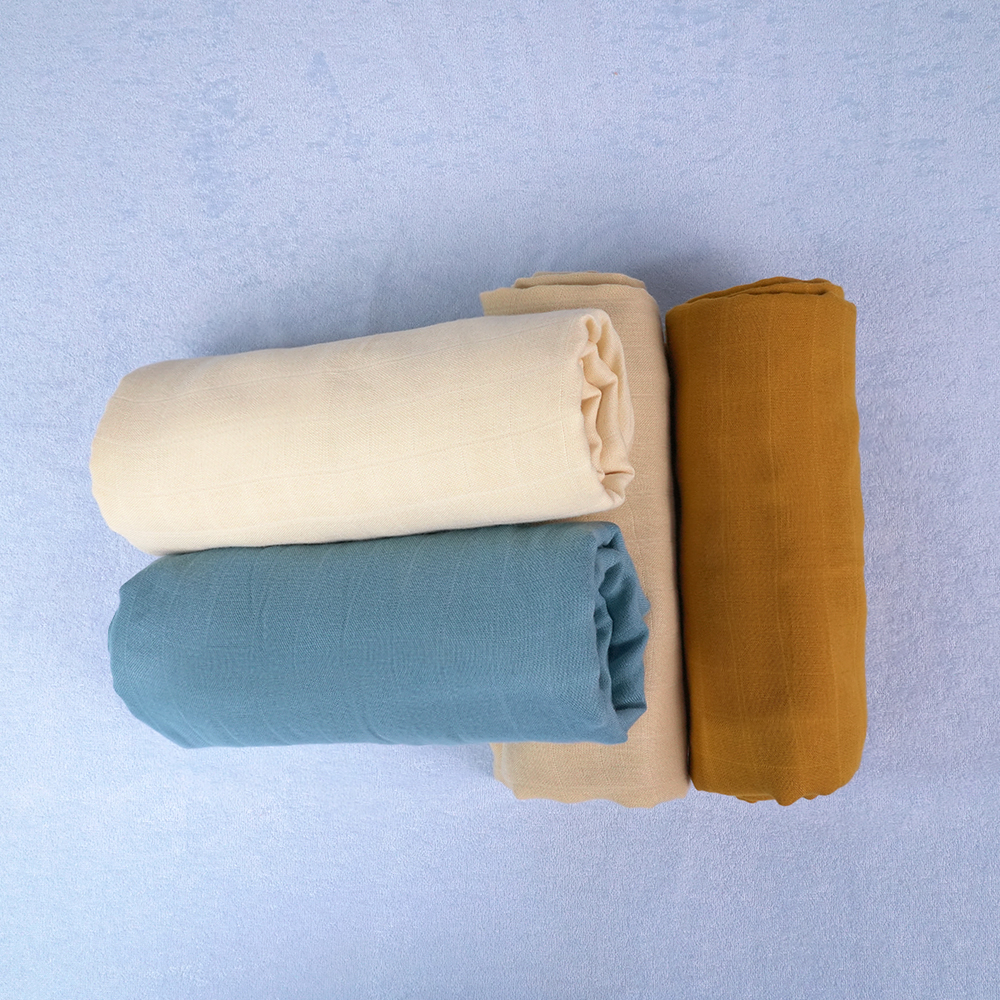
Selecting the right baby wrap carrier sizing is critical for both comfort and safety when purchasing for retail or distribution. Many OEM buyers underestimate how significantly proper sizing impacts customer satisfaction, return rates, and brand reputation. Baby wrap carrier sizing directly affects wearability, weight distribution, and the wearer's ability to position an infant securely. Understanding the fundamentals of baby wrap carrier sizing ensures your product line meets diverse customer needs and reduces sizing-related complaints. This guide provides actionable insights into baby wrap carrier sizing standards, measurement protocols, and fit optimization.

Baby wrap carrier sizing encompasses multiple dimensions: fabric length, width, weight capacity ranges, and adjustability mechanisms. OEM buyers must understand that baby wrap carrier sizing is not one-size-fits-all because carriers serve infants from newborn to toddler stages, and parent body types vary significantly. Proper baby wrap carrier sizing balances accessibility for small-framed wearers while providing secure support for larger users. The complexity of baby wrap carrier sizing decisions requires data-driven knowledge to stock products that match market demand and minimize excess inventory or shortages.
Understanding Baby Wrap Carrier Sizing Standards
Industry Measurement Specifications
Baby wrap carrier sizing standards vary across manufacturers, but key measurements remain consistent in the industry. Fabric length typically ranges from 60 to 90 inches for wrap-style carriers, with width averaging 20 to 26 inches for optimal weight distribution. Baby wrap carrier sizing for weight capacity generally divides into ranges: newborn to 8 pounds, 8 to 18 pounds, and toddlers up to 35 pounds. Understanding these baby wrap carrier sizing specifications helps OEM buyers align product features with customer expectations. Metric documentation during baby wrap carrier sizing assessment prevents mismatches between product marketing claims and actual performance in the field.
Adjustability and Stretch Fabric Options
Baby wrap carrier sizing flexibility depends heavily on fabric composition and closure mechanisms. Stretchy wraps, typically made from cotton blends, offer continuous adjustment capabilities and suit baby wrap carrier sizing for newborns and early infants most effectively. Structured carriers with buckles and straps provide discrete baby wrap carrier sizing options, often labeled Small, Medium, Large, or through numbered systems. Ring slings represent another baby wrap carrier sizing approach, using a single ring mechanism that accommodates multiple body sizes through adjustable tail length. When evaluating baby wrap carrier sizing options for your product line, consider that hybrid designs combining stretchy sections with structured supports expand market reach by serving multiple sizing preferences within a single unit.
Measurement Protocols for Baby Wrap Carrier Sizing
Torso Length and Width Assessment
Accurate baby wrap carrier sizing begins with torso measurement protocols that account for individual variation. Torso length—measured from the base of the neck to the lowest rib—determines vertical positioning of infant support within the wrap. Baby wrap carrier sizing for torso accommodation typically requires minimum wrap lengths of 60 inches for secure wrapping and positioning flexibility. Width measurement ensures fabric distributes weight across adequate shoulder and back surface area, preventing strain and pressure points. For baby wrap carrier sizing purposes, document whether your product line requires supplementary accessories for extreme sizing scenarios, such as shoulder extenders or belt size reducers that adjust overall circumference.
Infant Position and Seat Depth
Baby wrap carrier sizing must account for proper infant positioning, which requires specific seat depth measurements. Seat depth—the space from the infant's knee to support at the back—should measure 6 to 8 inches for optimal ergonomic positioning and hip development. Baby wrap carrier sizing for seat width ensures the infant sits with knees slightly higher than hip level, supporting proper joint alignment. When assessing baby wrap carrier sizing for your OEM product portfolio, verify that carriers tested across weight ranges maintain consistent seat geometry and support quality. Improper baby wrap carrier sizing in these dimensions leads to poor posture, infant discomfort, and customer dissatisfaction despite secure wrapping.
Practical Baby Wrap Carrier Sizing Implementation
Customer Fit Guidance and Size Selection
Effective baby wrap carrier sizing requires clear communication tools that empower end customers to select appropriate sizes. Sizing charts using weight, height, and torso measurement correlations prevent poor fit selections that drive returns and negative reviews. Baby wrap carrier sizing guidance should specify whether products accommodate single wearers or allow multiple users through adjustment mechanisms. For OEM buyers, developing customer-facing baby wrap carrier sizing documentation significantly impacts market success and reduces support burden. Consider whether your baby wrap carrier sizing resource includes video tutorials, adjustment instructions, and troubleshooting guides that address common fit issues.
Testing and Quality Assurance in Baby Wrap Carrier Sizing
Rigorous testing validates that baby wrap carrier sizing claims match real-world performance across diverse body types. OEM manufacturers should conduct baby wrap carrier sizing trials with test subjects representing smallest and largest weight capacity ranges, small and large body frames, and various height profiles. Baby wrap carrier sizing quality assurance includes stress testing at maximum weight capacity, durability assessment of adjustment mechanisms, and comfort validation over extended wear periods. Document baby wrap carrier sizing performance data systematically to support marketing claims and address potential liability concerns. This empirical approach to baby wrap carrier sizing builds confidence among retail partners and end customers while protecting your brand reputation.
FAQ
What is the standard measurement range for baby wrap carrier sizing?
Standard baby wrap carrier sizing ranges from 60 to 90 inches in length with width between 20 and 26 inches. Weight capacity categories for baby wrap carrier sizing typically span newborn to 8 pounds, 8 to 18 pounds, and toddlers up to 35 pounds, though individual products may vary. The baby wrap carrier sizing specifications should always align with manufacturer testing and safety certifications to ensure consumer confidence.
How does torso measurement affect baby wrap carrier sizing selection?
Torso measurement directly determines appropriate baby wrap carrier sizing because it governs vertical support positioning and wrap length requirements. A longer torso typically necessitates longer wrap lengths to maintain proper weight distribution and secure positioning. Baby wrap carrier sizing protocols that incorporate torso assessment ensure carriers provide adequate coverage and support across varied body proportions, reducing fit-related complaints and returns.
Which baby wrap carrier sizing option suits multiple wearers best?
Ring slings and stretchy wraps offer the most adaptable baby wrap carrier sizing for multiple users because adjustment mechanisms allow customization without purchasing multiple sizes. Structured carriers with numeric or lettered sizing require families with significant size differences to purchase multiple units. When evaluating baby wrap carrier sizing flexibility for your product line, hybrid designs combining adjustable sections with structured support often satisfy the broadest customer base and maximize product versatility.