
 EN
EN
Selecting your first toddler pillow represents an important transition in your child's sleep comfort and safety. Unlike infant sleep spaces where pillows are not recommended, toddlers around age two and older can benefit from a properly designed first toddler pillow that supports their head and neck during sleep. Parents often feel uncertain about what specifications matter most when choosing a first toddler pillow, particularly regarding height and fill materials. Understanding these critical factors helps ensure your child sleeps safely while maintaining proper spinal alignment through the night.
A well-chosen first toddler pillow makes a measurable difference in your toddler's sleep quality, daytime behavior, and overall health. The right first toddler pillow combines appropriate height, supportive fill, and safe construction to give your child the comfort they need without compromising safety. This guide walks you through the essential considerations for selecting your first toddler pillow, helping you make an informed decision that works for your child's unique needs and sleep preferences.
Understanding First Toddler Pillow Height and Dimensions
Why Height Matters for Your First Toddler Pillow
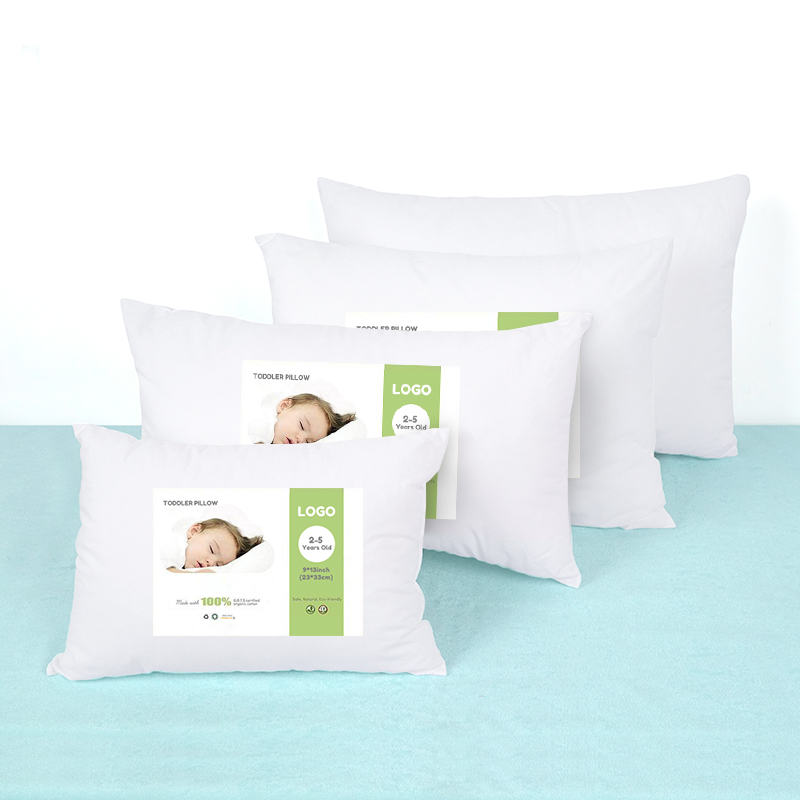
The height of your first toddler pillow directly affects your child's neck and spine alignment during sleep. A first toddler pillow that is too high can cause neck strain, leading to discomfort and restless nights. Conversely, a first toddler pillow that is too low may not provide adequate support, potentially causing your child to slide off or sleep in an uncomfortable position. For toddlers aged two to five years, experts recommend a first toddler pillow height between three and four inches when resting flat on a mattress. This height range positions your child's head in natural alignment with their shoulders and spine, promoting healthy sleep posture throughout the night.
Measuring and Testing First Toddler Pillow Height
When you receive your first toddler pillow, testing its actual height is simple and important. Lay the first toddler pillow on your child's regular toddler mattress and observe how your child's head rests on it. Your child's head should sit level with their shoulders, creating a straight line from neck to spine. If you notice your child's head tilting upward or drooping downward when using your first toddler pillow, the height is likely incorrect for their body. Many parents find that trying the first toddler pillow during daytime naps before switching to nighttime use helps them assess whether the height works well for their child's comfort and safety.
Selecting the Right Fill Material for Your First Toddler Pillow
Fill Safety Considerations for First Toddler Pillow
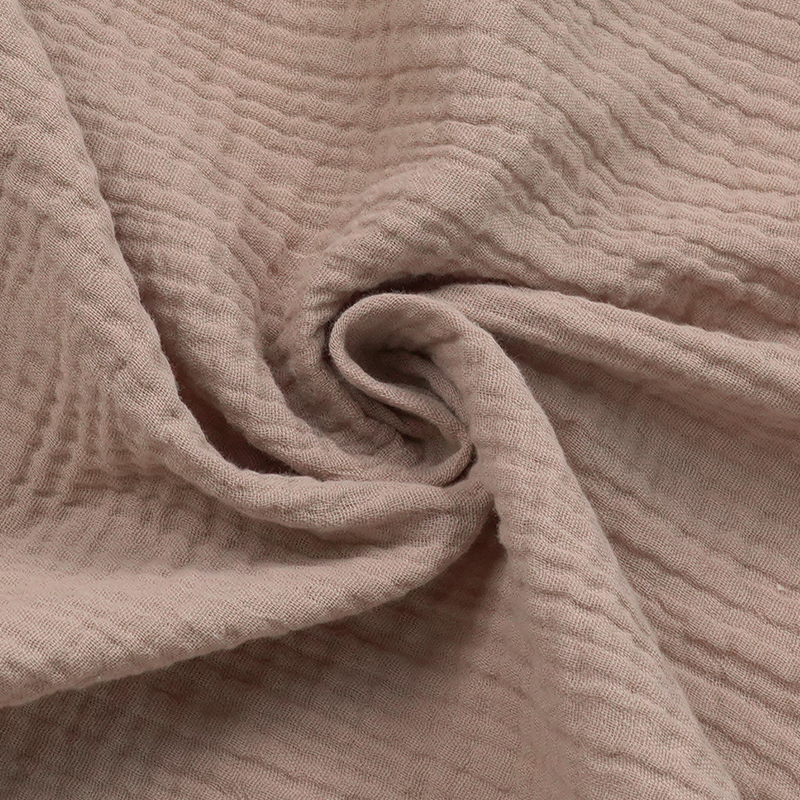
The fill material in your first toddler pillow impacts both comfort and safety for your growing child. A high-quality first toddler pillow should use hypoallergenic fill that resists dust mites, mold, and mildew buildup. Organic cotton fill remains a popular choice for a first toddler pillow because it breathes well, regulates temperature, and naturally resists allergens without requiring chemical treatments. Memory foam alternatives for your first toddler pillow offer consistent support but should be chosen carefully, as some memory foam products retain heat excessively or off-gas chemical odors. Parents who have concerns about synthetic materials often prefer a first toddler pillow filled with natural fibers like organic cotton or bamboo, which provide gentle support while minimizing exposure to potentially harmful substances.
Firmness and Support Levels in First Toddler Pillow Fill
The firmness of your first toddler pillow's fill determines how well it maintains its shape and provides support throughout the night. A first toddler pillow with fill that is too soft may compress under your child's head weight, causing the pillow to flatten and lose its beneficial height. An overly firm first toddler pillow, on the other hand, can feel uncomfortable and may cause your child to resist using the pillow altogether. The ideal first toddler pillow strikes a balance, offering enough firmness to maintain structure while remaining soft enough for comfort. Many parents appreciate a first toddler pillow that feels slightly springy when pressed, indicating that the fill will support their child's head without feeling hard or unyielding against tender skin and developing bones.
Integrating Your First Toddler Pillow into Safe Sleep Practices
Best Practices for Introducing Your First Toddler Pillow
Introducing your first toddler pillow should happen gradually to help your child adjust to the change in their sleep environment. Begin by using your first toddler pillow during quiet time or naptime when you can observe your child's comfort and acceptance. Some toddlers take to a first toddler pillow immediately, while others may prefer to adjust for a few days before using it during longer sleep periods. Once your child seems comfortable with the first toddler pillow during naps, you can transition to using it during nighttime sleep. Keep checking that your child remains on their back or side while sleeping with the first toddler pillow, maintaining the safe sleep positions recommended for toddlers in this age range.
Maintenance and Care of Your First Toddler Pillow
Proper care extends the life of your first toddler pillow and maintains its supportive qualities over time. Check the manufacturer's care instructions for your specific first toddler pillow, as different fill materials have different washing requirements. Most first toddler pillow covers can be removed and washed in cool water with mild detergent, while the pillow itself may require spot cleaning or gentle hand washing. Allow your first toddler pillow to air dry completely before returning it to your child's bed, preventing moisture buildup that could encourage mold growth. Regular maintenance of your first toddler pillow ensures it remains clean, supportive, and safe for your child's continued use as they grow through the toddler years.
FAQ
At what age can my child start using a first toddler pillow?
Most pediatricians recommend introducing a first toddler pillow around age two, when your child has developed sufficient neck strength and body awareness. Before age two, infants should sleep on firm surfaces without pillows, blankets, or other soft objects. Once your child reaches age two and you feel they are ready, a properly designed first toddler pillow becomes an appropriate sleep accessory that supports healthy development and comfort.
How do I know if my child's first toddler pillow is the right size?
The right first toddler pillow should leave your child's head level with their shoulders when lying down. If your child's head tilts too far forward or backward, or if they seem to be sliding off the pillow frequently, the first toddler pillow may be incorrectly sized. Watch your child during a few naps to see how they interact with the first toddler pillow and whether they seem comfortable and settled. You can also consult your pediatrician if you have concerns about whether your specific first toddler pillow provides appropriate support for your child's age and size.
Can my child take their first toddler pillow to daycare or travel?
Yes, many parents find that bringing a first toddler pillow to daycare or during travel helps their child maintain consistent sleep comfort and familiarity. A first toddler pillow sized around thirteen by eighteen inches fits easily into diaper bags, travel cases, or daycare cubby spaces. Using the same first toddler pillow across different sleep environments helps your child associate the pillow with sleep and comfort, which can improve nap quality and reduce sleep resistance during transitions. Always inform caregivers about your child's first toddler pillow and confirm that the daycare facility approves its use according to their safety guidelines.