
 EN
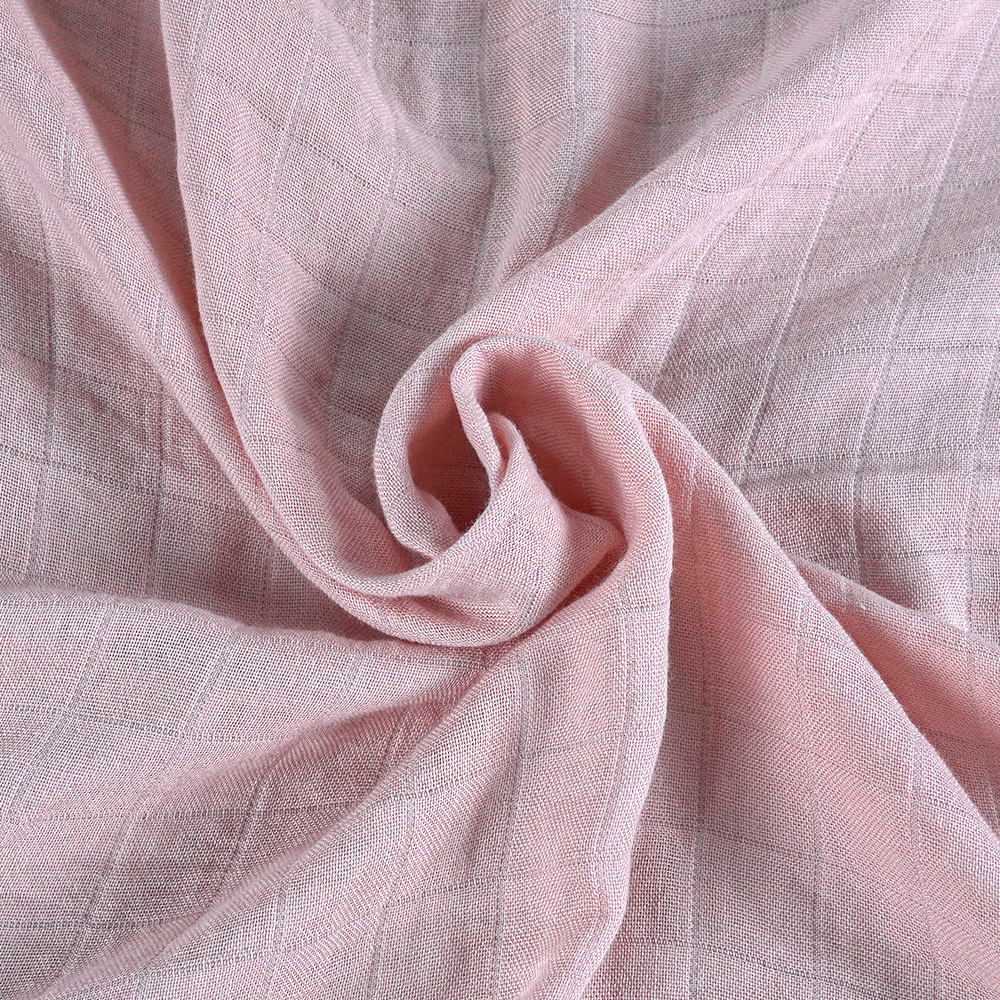
Deciding between a swaddle vs sleep sack is one of the most important choices for retailers and manufacturers in the infant sleep category. Both products serve the fundamental need for safe, secure sleep environments, yet they operate on distinctly different principles. Understanding the swaddle vs sleep sack distinction will help you make informed product decisions that align with your market positioning and customer expectations. The choice between swaddle vs sleep sack impacts not only product margins and inventory complexity but also customer satisfaction and brand loyalty in the competitive baby product space.
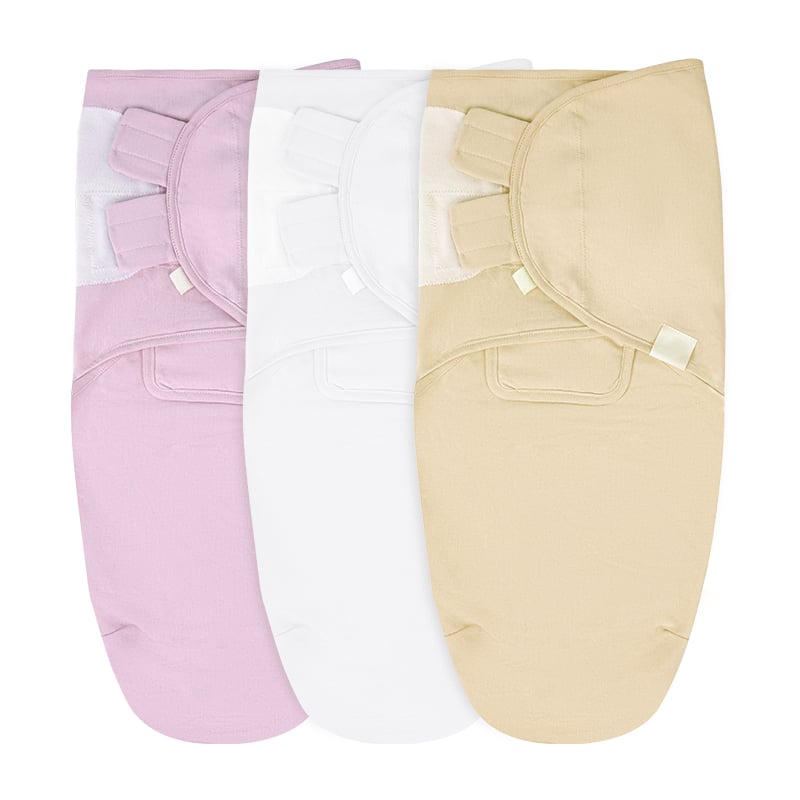
When evaluating swaddle vs sleep sack for your inventory, you must consider not just product features but also consumer behavior, safety standards, and the developmental stages they address. Parents and caregivers often feel uncertain about which option best serves their newborn's needs, making your guidance critical. Both the swaddle vs sleep sack categories have grown substantially in recent years, driven by increased awareness of safe sleep guidelines and the desire for products that reduce parental anxiety during nighttime care.
Core Differences Between Swaddle and Sleep Sack
Design and Function of Each Product Type
A swaddle wraps around the infant's body, securing the arms close to the torso in a cocoon-like position that mimics the womb environment. The swaddle vs sleep sack distinction begins with this fundamental design: swaddles require active wrapping and positioning by the caregiver each time, while a sleep sack functions as a wearable sleeping bag that babies wear directly. Understanding swaddle vs sleep sack construction helps you communicate value to retailers and end consumers who may confuse the two categories.
Sleep sacks, by contrast, feature arm openings and a fitted design that allows the baby to move freely while remaining within a secure fabric enclosure. The swaddle vs sleep sack comparison reveals that sleep sacks eliminate the need for blankets in the crib, directly addressing suffocation and entanglement hazards. Many modern sleep sacks incorporate convertible designs with adjustable arm closures, blurring some traditional swaddle vs sleep sack boundaries while offering flexibility across developmental stages.
Age Appropriateness and Product Lifespan
Swaddles work best from birth through approximately three to four months, when babies begin rolling movements that make traditional swaddling unsafe. The swaddle vs sleep sack timeline differs significantly because sleep sacks can be used from birth through toddler years, often spanning 18 to 24 months of use depending on sizing. This extended lifespan makes sleep sacks a more economical choice for families and a stronger revenue opportunity if designed with convertible features that accommodate growth.
From a retail perspective, the swaddle vs sleep sack product lifecycle affects inventory turnover and customer lifetime value. Families purchasing swaddle vs sleep sack combinations may buy both product types sequentially, or they may choose one based on preference and comfort level. Stocking both options addresses different customer segments: parents seeking traditional swaddling practices prefer swaddles, while those prioritizing convenience and ease of use gravitate toward sleep sacks.
Safety Considerations and Industry Standards
Secure Sleep Environment Benefits
Both swaddle vs sleep sack products address critical safe sleep priorities established by pediatric organizations worldwide. The swaddle vs sleep sack approach to crib safety eliminates loose blankets, pillows, and bumpers that increase sudden infant death syndrome risk. Sleep sacks provide consistent fabric coverage that cannot fall away from the infant, while quality swaddles, when properly wrapped, secure the arms in a position that prevents face covering and allows clear airway access.
The American Academy of Pediatrics recommends room-sharing without bed-sharing, and both swaddle vs sleep sack products support this guideline by providing secure sleep solutions in separate cribs. When comparing swaddle vs sleep sack safety profiles, consider that sleep sacks eliminate the learning curve required for proper swaddling technique. Improper swaddle vs sleep sack use can compromise safety, making sleep sacks inherently safer for parents unfamiliar with traditional swaddling methods.
Materials, Certification, and Compliance
Manufacturing standards for swaddle vs sleep sack products require adherence to CPSC regulations, ASTM standards, and international safety certifications. Both product categories must meet flammability standards, undergo tensile strength testing, and use non-toxic materials that pass heavy metals screening. When sourcing or manufacturing, the swaddle vs sleep sack compliance pathway is essentially identical, though design-specific testing may vary slightly based on construction method.
Breathability standards have become increasingly important in swaddle vs sleep sack product development, particularly as research continues on thermal regulation and overheating risks. Natural fibers like cotton and bamboo are preferred choices for both categories, offering moisture-wicking properties and temperature regulation. Documentation of certifications and material safety data becomes your competitive advantage when retailers and consumers evaluate swaddle vs sleep sack options from different suppliers.
Market Positioning and Retail Strategy
Customer Segments and Purchasing Behavior
The swaddle vs sleep sack market divides into distinct customer segments based on parenting philosophy, cultural background, and lifestyle preferences. First-time parents often feel intimidated by traditional swaddling, making sleep sacks their natural choice; this segment represents significant growth in the swaddle vs sleep sack category. Experienced parents and those from cultures with strong swaddling traditions frequently prefer authentic swaddle vs sleep sack options that align with their family practices and instincts.
Understanding these preferences allows you to position your swaddle vs sleep sack offerings strategically across retail channels. Online retailers benefit from detailed product content explaining the swaddle vs sleep sack distinction, while brick-and-mortar stores require in-store education and point-of-sale materials. The swaddle vs sleep sack decision ultimately depends on individual family needs, budget constraints, and confidence in using different product types.
Inventory and Profitability Considerations
Retailers must make calculated decisions about which swaddle vs sleep sack products to stock based on local market demographics, average customer order value, and shelf space availability. The swaddle vs sleep sack product mix affects margins, return rates, and customer satisfaction metrics. Premium offerings in both categories command higher margins, though the swaddle vs sleep sack price point also varies by materials, brand positioning, and distribution channel.
Offering both product types captures broader customer demand and reduces the risk of inventory imbalance. Some retailers find success with bundled swaddle vs sleep sack promotions that introduce customers to both product categories, encouraging trial and repeat purchases. The swaddle vs sleep sack strategy should reflect your target market's sophistication, values, and willingness to invest in premium infant sleep solutions.
FAQ
What is the main difference between a swaddle and a sleep sack?
The primary difference lies in design and application: swaddles are wraps that parents actively tie or secure around the infant's body, while sleep sacks are wearable garments with arm openings that babies wear continuously. Swaddles confine the arms to the torso in a cocoon position, mimicking the womb, whereas sleep sacks allow arm movement while providing a secure enclosure. Understanding this swaddle vs sleep sack distinction helps parents choose based on their comfort level and their infant's developmental stage.
Until what age can babies safely use swaddles and sleep sacks?
Swaddles are typically safe until babies show rolling movements, usually around three to four months of age, as rolling while swaddled increases entanglement and suffocation risks. Sleep sacks can be used from birth through toddler years, often up to 18 to 24 months, depending on sizing and design features. The extended timeline for sleep sacks makes them a longer-term product investment compared to swaddles, which addresses different family budgeting considerations when choosing between swaddle vs sleep sack options.
Which product should I add to my inventory if I can only choose one?
If forced to choose between swaddle vs sleep sack, sleep sacks typically offer broader market appeal and longer product lifespan, serving customers from newborn through toddler stages. Sleep sacks also eliminate the learning curve required for proper swaddling, making them accessible to first-time parents who represent a significant market segment. However, if your target customers value traditional parenting practices or cultural swaddling heritage, swaddles may resonate more strongly. Ideally, stocking both swaddle vs sleep sack options allows you to serve the full spectrum of customer preferences and maximize revenue potential.