
 EN
EN

Choosing between lightweight vs heavyweight sleep sacks is a critical decision for brands developing infant sleep solutions. The distinction goes far beyond simple weight—it encompasses thermal regulation, safety standards, material composition, and seasonal appropriateness. For original equipment manufacturers and brand developers, understanding the nuanced differences between lightweight vs heavyweight sleep sacks directly impacts product positioning, customer satisfaction, and market competitiveness. This guide breaks down the essential factors that distinguish these two product categories and helps you make informed decisions for your portfolio.
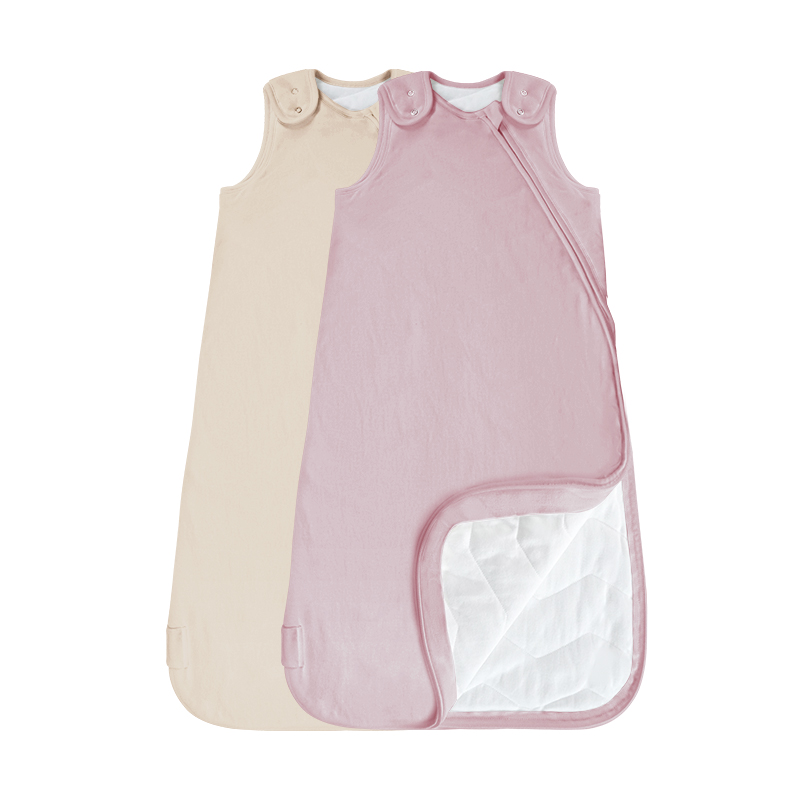
The market demand for both lightweight vs heavyweight sleep sacks continues to grow as parents seek products that adapt to changing seasons and temperature conditions. Understanding the technical specifications, performance characteristics, and end-user needs for lightweight vs heavyweight sleep sacks enables manufacturers to develop solutions that address real pain points. This comprehensive guide explores material science, TOG ratings, safety considerations, and manufacturing implications to help your brand make strategic product decisions in the sleep sack category.
Understanding TOG Ratings and Thermal Performance
What TOG Means for Sleep Sack Classification
TOG stands for 'thermal overall grade,' a standardized measurement indicating thermal insulation properties of sleep garments. Lightweight vs heavyweight sleep sacks are primarily distinguished by their TOG values, which range from 0.5 TOG for the lightest options to 3.5 TOG or higher for the heaviest versions. A lightweight vs heavyweight sleep sacks selection fundamentally rests on understanding how TOG ratings translate to actual warmth delivery. Lower TOG ratings in lightweight sleep sacks work for warmer months or heated rooms, while higher TOG ratings in heavyweight sleep sacks provide necessary insulation during colder seasons. This thermal grading system is regulated by international standards and helps parents make safe decisions about sleep environment preparation.
Seasonal Temperature Alignment
Lightweight vs heavyweight sleep sacks serve distinctly different seasonal needs within an infant's year-round sleep schedule. Summer months typically call for lightweight sleep sacks with TOG ratings between 0.5 and 1.0, which prevent overheating while providing minimal coverage. Winter periods require heavyweight sleep sacks with TOG values between 2.5 and 3.5, ensuring adequate warmth without necessitating additional blankets in the crib. Many forward-thinking brands now develop comprehensive lightweight vs heavyweight sleep sacks collections that allow parents to select appropriate products based on their room temperature and climate zone. This approach increases customer loyalty as parents recognize that your brand addresses their seasonal challenges systematically. Understanding the regional climate patterns where your brand operates helps determine the appropriate balance of lightweight vs heavyweight sleep sacks in your product lineup.
Material Science and Construction Differences
Fabric Selection for Lightweight vs Heavyweight Sleep Sacks
The material composition dramatically differs between lightweight vs heavyweight sleep sacks, affecting breathability, durability, and safety profiles. Lightweight sleep sacks typically utilize single-layer cotton, cotton blends, or lightweight muslin that maximize breathability and minimize heat retention. Heavyweight sleep sacks employ multi-layer constructions, quilted patterns, fleece-backed materials, or specialized thermal fabrics that trap air and provide insulation. When developing lightweight vs heavyweight sleep sacks, manufacturers must balance fabric weight with regulatory compliance, particularly regarding flame resistance and tear strength. The choice between woven and knit fabrics also influences product performance, with some brands preferring organic cotton for both lightweight and heavyweight options to meet premium market positioning. Environmental sustainability considerations increasingly influence material selection in lightweight vs heavyweight sleep sacks production.
Construction Techniques and Durability Implications
Manufacturing processes for lightweight vs heavyweight sleep sacks differ significantly, affecting production costs and product longevity. Lightweight sleep sacks often feature straightforward construction with minimal quilting or layering, allowing for faster production cycles and lower manufacturing overhead. Heavyweight sleep sacks typically require more complex construction processes, including multi-layer bonding, reinforced seaming, and specialized finishing techniques that add production time and cost. Quality control standards for lightweight vs heavyweight sleep sacks must address different failure points—lightweight products risk tearing at stress points due to thinner materials, while heavyweight sleep sacks need careful seam management to prevent water damage and material separation. Durability testing protocols should specifically assess how lightweight vs heavyweight sleep sacks perform through multiple wash cycles and extended storage periods. Understanding these construction differences helps optimize supply chain management and warranty policies for your brand.
Safety Standards and Regulatory Compliance
Testing Requirements for Both Categories
Regulatory bodies impose specific safety testing requirements for lightweight vs heavyweight sleep sacks, though the core standards remain consistent across both categories. All sleep sacks, whether lightweight or heavyweight, must meet flame resistance standards established by the Consumer Product Safety Commission and international regulatory frameworks. Lightweight vs heavyweight sleep sacks undergo identical testing for structural integrity, zipper safety, and choking hazard assessment. However, heavyweight sleep sacks require additional evaluation for material integrity under stress and thermal stability to ensure the insulation mechanism doesn't degrade. Manufacturers developing lightweight vs heavyweight sleep sacks must maintain documentation proving compliance with applicable standards in each market where products are sold. Understanding these regulatory landscapes helps avoid costly product recalls and market entry delays.
Design Considerations Specific to Weight Categories
Safety design considerations vary when comparing lightweight vs heavyweight sleep sacks, particularly regarding armhole sizing and neck opening dimensions. Lightweight sleep sacks with minimal material bulk allow for tighter neck openings without creating pinching concerns, while heavyweight sleep sacks with thicker fabrics require slightly looser designs to prevent constriction. Zipper selection differs between lightweight vs heavyweight sleep sacks, as heavyweight products need industrial-grade zippers capable of handling repeated use without breakage. Snap placement and closure mechanisms in lightweight vs heavyweight sleep sacks must account for different force distributions and material resilience. Your brand's safety protocols should include specific testing procedures for lightweight vs heavyweight sleep sacks to verify that design adaptations don't compromise infant protection standards.
Market Positioning and Customer Decision Factors
Price Point Differentiation
Pricing strategy for lightweight vs heavyweight sleep sacks reflects material costs, manufacturing complexity, and perceived value in the target market. Lightweight sleep sacks generally command lower price points due to reduced material consumption and simpler production processes, typically ranging from fifteen to thirty dollars at retail. Heavyweight sleep sacks justify premium pricing through advanced material selection, multi-layer construction, and extended seasonal usability, often retailing between thirty-five and sixty dollars. Smart brands recognize that customer perception of lightweight vs heavyweight sleep sacks extends beyond price to include seasonality confidence and long-term value. Many families view investing in quality lightweight vs heavyweight sleep sacks as essential year-round infant care, making premium positioning viable for brands with strong product differentiation. Understanding competitive pricing for lightweight vs heavyweight sleep sacks in your target markets helps optimize margin strategies while remaining accessible to core customer segments.
Customer Perception and Purchase Motivations
Parents and caregivers make decisions about lightweight vs heavyweight sleep sacks primarily based on climate concerns and infant comfort priorities. Lightweight sleep sacks appeal to families in warm climates, those living in well-heated homes, and parents concerned about overheating risks during sleep. Heavyweight sleep sacks attract customers in colder regions, those using minimal additional bedding, and families seeking all-in-one sleep solutions for winter months. Educational content explaining the benefits of owning both lightweight vs heavyweight sleep sacks helps expand market opportunity, positioning your brand as comprehensive infant sleep solutions provider. Customer reviews and testimonials highlighting specific use cases for lightweight vs heavyweight sleep sacks significantly influence purchase decisions in online retail environments. Building community around your lightweight vs heavyweight sleep sacks offerings creates brand loyalty that transcends individual product categories.
FAQ
What is the primary difference between lightweight vs heavyweight sleep sacks?
The primary difference between lightweight vs heavyweight sleep sacks lies in their TOG rating and thermal insulation capacity. Lightweight sleep sacks typically range from 0.5 to 1.0 TOG and are designed for warm seasons or heated environments, using single-layer, breathable fabrics. Heavyweight sleep sacks range from 2.5 to 3.5 TOG and provide substantial warmth during colder months through multi-layer construction and specialized thermal materials. Both lightweight vs heavyweight sleep sacks serve important roles in helping parents maintain safe sleeping temperatures without loose blankets in the crib.
Can infants wear lightweight vs heavyweight sleep sacks year-round?
Most infants benefit from owning both lightweight vs heavyweight sleep sacks to address seasonal temperature variations effectively. Lightweight sleep sacks prevent overheating during warmer months, while heavyweight sleep sacks provide necessary warmth during winter when room temperatures drop. Using the wrong weight category—particularly wearing heavyweight sleep sacks in hot environments—increases overheating risk, which is a known sleep safety concern. Strategic brand positioning of lightweight vs heavyweight sleep sacks as complementary products rather than single choices educates consumers and expands market potential for manufacturers.
How do manufacturers decide which lightweight vs heavyweight sleep sacks to produce?
Manufacturers determine lightweight vs heavyweight sleep sacks production priorities by analyzing their target market's climate, existing customer base feedback, and competitive landscape positioning. Brands operating in warm regions may emphasize lightweight sleep sacks production, while those in colder climates focus on heavyweight options. Many established brands now produce comprehensive collections including multiple lightweight vs heavyweight sleep sacks options to serve diverse customer needs. Market research indicating customer willingness to purchase both lightweight vs heavyweight sleep sacks throughout the year informs production capacity allocation and inventory management strategies.