
 EN
EN
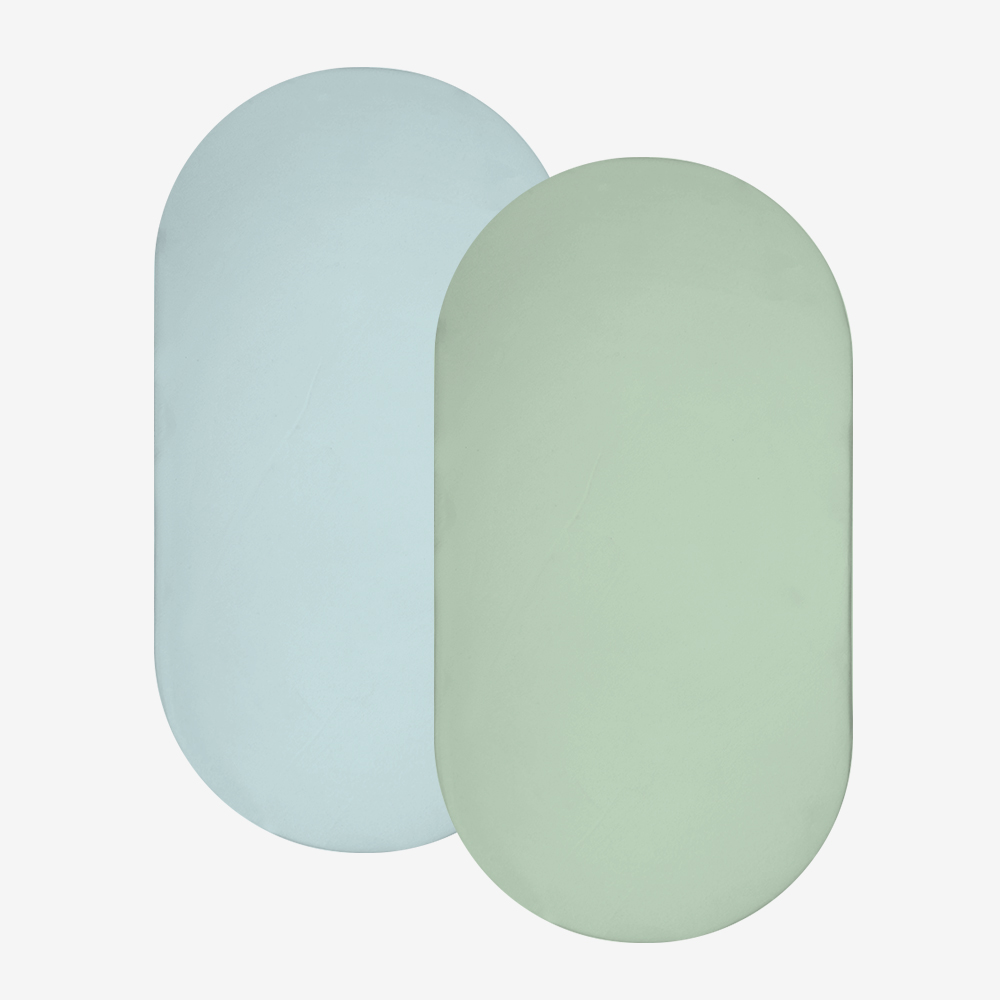
Choosing between crib sheets fitted vs flat is a critical decision for retailers, manufacturers, and parents seeking quality baby bedding. Each style offers distinct advantages in terms of safety, convenience, and brand positioning. Understanding the differences between crib sheets fitted vs flat helps you make an informed choice that aligns with your product line's goals and market expectations. The distinction between these two styles extends beyond mere aesthetics—it touches on functionality, durability, and customer satisfaction.
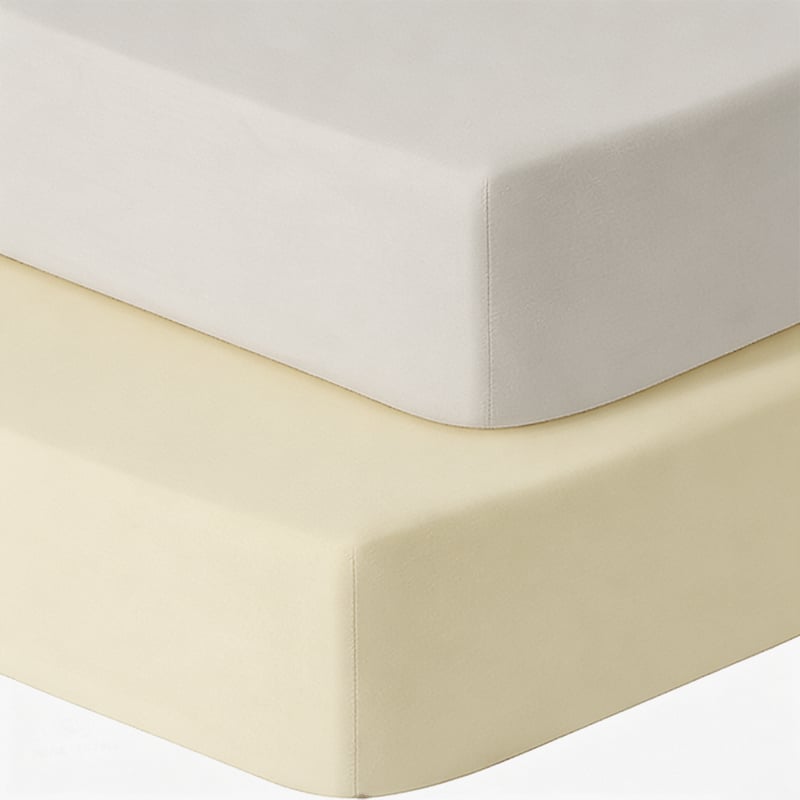
The baby bedding market demands careful attention to design and safety standards. When evaluating crib sheets fitted vs flat, retailers must consider consumer preferences, regulatory compliance, and production efficiency. This guide explores how crib sheets fitted vs flat perform across multiple dimensions, helping brand owners and merchandisers make strategic decisions about which style best serves their customer base.
Understanding Fitted Crib Sheets
Design and Construction
Fitted crib sheets are engineered with elastic bands sewn around all four corners, allowing them to stretch and grip the mattress securely. This design of crib sheets fitted vs flat creates a smooth, snug surface that eliminates bunching and wrinkles. The fitted approach reduces the risk of sheets loosening during the night, which is a significant safety concern for infant sleep environments. Manufacturers of crib sheets fitted vs flat recognize that fitted versions require precision in measurement and material elasticity to ensure proper fit on standard crib mattresses.
Practical Benefits for End Users
Parents value crib sheets fitted vs flat styles largely for convenience and peace of mind. Fitted sheets minimize daily adjustments and repositioning, saving time during bed changes and cleanings. When comparing crib sheets fitted vs flat, the fitted variety eliminates the need to tuck and fold fabric, making bedtime routines faster and less disruptive to sleeping infants. The secure fit also reduces the likelihood of sheets falling into cracks between the mattress and crib frame, where small hands or faces could become caught.
Understanding Flat Crib Sheets
Traditional Design and Structure
Flat crib sheets are rectangular pieces of fabric without elastic or fitted seams, relying on tucking and folding to stay in place on the mattress. This style of crib sheets fitted vs flat represents a more traditional approach to baby bedding. The simplicity of flat sheet design makes them easier and less expensive to manufacture, which can appeal to budget-conscious brands and retailers. Understanding how crib sheets fitted vs flat differ in production helps suppliers appreciate why flat sheets remain competitive in price-sensitive market segments.
Flexibility and Versatility
One advantage of crib sheets fitted vs flat is the versatility flat sheets offer beyond traditional crib use. Flat sheets can be folded, draped, or repurposed in ways fitted versions cannot, making them valuable for families with multiple children or changing needs. When evaluating crib sheets fitted vs flat for brand diversification, flat sheets provide an additional revenue stream through alternative applications. Parents may use flat crib sheets as stroller covers, nursing cloths, or travel blankets, extending the product's utility and perceived value.
Safety, Compliance, and Quality Considerations
Regulatory Standards and Sleep Safety
Both crib sheets fitted vs flat must meet strict safety regulations set by organizations such as the Consumer Product Safety Commission (CPSC) and the American Academy of Pediatrics (AAP). Safety organizations recommend fitted sheets in many clinical guidelines because crib sheets fitted vs flat fitted versions are less likely to come loose and create suffocation risks. When positioning crib sheets fitted vs flat in your product line, understanding these regulatory preferences is essential. Certifications and compliance documentation become marketing strengths for both styles, particularly when brands transparently communicate safety testing results.
Material Quality and Durability
The material composition of crib sheets fitted vs flat significantly impacts longevity and performance. Organic cotton, bamboo viscose, and high-thread-count fabrics are popular choices for premium lines. When comparing crib sheets fitted vs flat materials, fitted sheets experience greater stress on elasticized corners during washing and use, potentially affecting durability. Flat crib sheets may show longer lifespans in high-wear applications, though the choice between crib sheets fitted vs flat should consider your target market's priorities regarding cost versus longevity.
Market Positioning and Brand Strategy
Target Audience Preferences
Different customer segments demonstrate varying preferences when choosing between crib sheets fitted vs flat. First-time parents often prioritize convenience and safety, making crib sheets fitted vs flat fitted options more appealing to this demographic. Budget-conscious families may prefer flat sheets due to lower pricing and perceived durability. Understanding which audience segment aligns with your brand identity is crucial when deciding whether to offer crib sheets fitted vs flat or to specialize in one style.
Product Line Development
Strategic brands often offer both crib sheets fitted vs flat options to capture diverse market segments and increase revenue streams. When developing a comprehensive product line, crib sheets fitted vs flat should each feature distinct branding, pricing, and positioning. Consider offering premium organic versions of crib sheets fitted vs flat fitted sheets for the high-end market while providing affordable flat options for price-sensitive buyers. This dual-offering approach using crib sheets fitted vs flat helps maximize market penetration while maintaining brand cohesion across your product portfolio.
FAQ
What are the main safety differences between fitted and flat crib sheets?
Fitted crib sheets are generally considered safer because their elastic corners keep them securely in place, reducing the risk of sheets loosening and creating suffocation hazards. When deciding between crib sheets fitted vs flat, safety organizations typically recommend fitted versions. Flat sheets require proper tucking but can work safely when used correctly and according to AAP guidelines.
Which type of crib sheets fitted vs flat is better for newborns?
Fitted crib sheets are typically recommended for newborns due to their secure fit and reduced suffocation risk. The design of crib sheets fitted vs flat fitted sheets ensures the fabric stays taut and away from the infant's face during sleep. Parents of newborns value the peace of mind that crib sheets fitted vs flat fitted options provide, making them the preferred choice for the youngest sleep stages.
Can I use flat sheets as an alternative to fitted crib sheets?
Yes, flat crib sheets can be used safely as an alternative to fitted versions when properly tucked and secured according to pediatric guidelines. When comparing crib sheets fitted vs flat, flat sheets work well for families who prioritize versatility and cost savings. However, crib sheets fitted vs flat fitted sheets remain the recommended option for maximum safety and convenience, especially during nighttime sleep.