
 EN
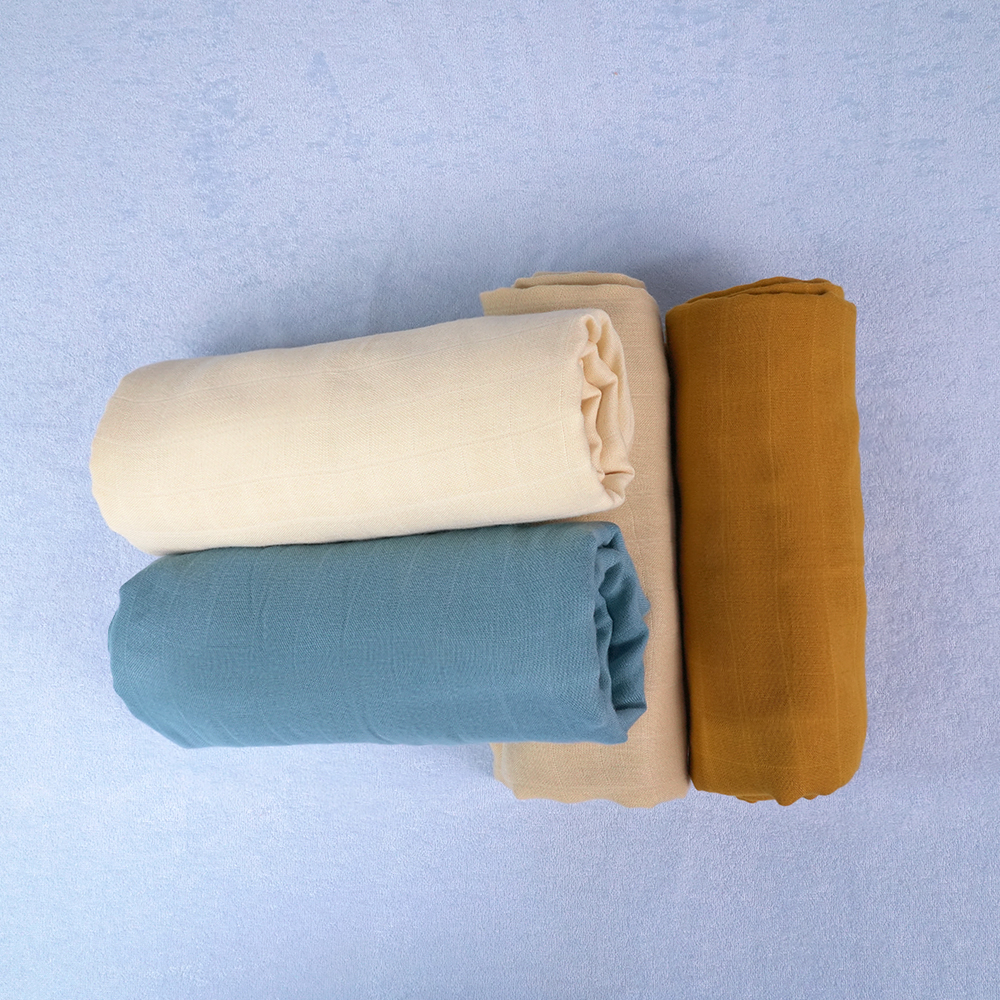
Eligere rectam fascia Infantilis sizing is critical for both comfort and safety when purchasing for retail or distribution. Many OEM buyers underestimate how significantly proper sizing impacts customer satisfaction, return rates, and brand reputation. Baby wrap carrier sizing directly affects wearability, weight distribution, and the wearer's ability to position an infant securely. Understanding the fundamentals of baby wrap carrier sizing ensures your product line meets diverse customer needs and reduces sizing-related complaints. This guide provides actionable insights into baby wrap carrier sizing standards, measurement protocols, and fit optimization.

Baby wrap carrier sizing encompasses multiple dimensions: fabric length, width, weight capacity ranges, and adjustability mechanisms. OEM buyers must understand that baby wrap carrier sizing is not one-size-fits-all because carriers serve infants from newborn to toddler stages, and parent body types vary significantly. Proper baby wrap carrier sizing balances accessibility for small-framed wearers while providing secure support for larger users. The complexity of baby wrap carrier sizing decisions requires data-driven knowledge to stock products that match market demand and minimize excess inventory or shortages.
Understanding Baby Portator Vraptus Normis dimensionum
Industry Measurement Specifications
Normae dimensionum pro portandis infantibus variae sunt inter fabricantes, sed mensurationes praecipuae in industria constant. Longitudo textilis saepe est inter 60 et 90 pollices pro portandis in modum fasciae, latitudo autem media est inter 20 et 26 pollices pro optima distributione ponderis. Dimensiones pro portandis infantibus secundum capacitates ponderis generaliter dividuntur in tres series: neonati usque ad 8 libras, 8–18 libras, et pueri usque ad 35 libras. Intellectus harum specificarum dimensionum pro portandis infantibus iuvat emptores OEM ut proprietates producti concordent cum expectationibus clientium. Documentatio metrica durante aestimatione dimensionum pro portandis infantibus vitat dissonantias inter affirmationes marketing et realem operationem in campo.
Facultas adaptandi et optiones textilium elasticorum
Flexibilitas dalam penyesuaian ukuran gendongan bayi sangat bergantung pada komposisi bahan dan mekanisme pengikat. Gendongan elastis, biasanya terbuat dari campuran katun, memungkinkan penyesuaian terus-menerus dan paling efektif untuk penyesuaian ukuran gendongan bayi bagi bayi baru lahir serta bayi usia dini. Gendongan terstruktur dengan gesper dan tali menyediakan pilihan ukuran gendongan bayi yang terpisah, sering kali diberi label Kecil, Sedang, Besar, atau melalui sistem bernomor. Gendongan cincin merupakan pendekatan lain dalam penyesuaian ukuran gendongan bayi, menggunakan satu mekanisme cincin yang dapat menyesuaikan berbagai ukuran tubuh melalui panjang ujung (tail) yang dapat diatur. Saat mengevaluasi pilihan penyesuaian ukuran gendongan bayi untuk lini produk Anda, pertimbangkan bahwa desain hibrida—yang menggabungkan bagian elastis dengan penopang terstruktur—memperluas jangkauan pasar dengan melayani berbagai preferensi ukuran dalam satu unit.
Protokol Pengukuran untuk Penyesuaian Ukuran Gendongan Bayi
Penilaian Panjang dan Lebar Toraks
Accurate baby wrap carrier sizing begins with torso measurement protocols that account for individual variation. Torso length—measured from the base of the neck to the lowest rib—determines vertical positioning of infant support within the wrap. Baby wrap carrier sizing for torso accommodation typically requires minimum wrap lengths of 60 inches for secure wrapping and positioning flexibility. Width measurement ensures fabric distributes weight across adequate shoulder and back surface area, preventing strain and pressure points. For baby wrap carrier sizing purposes, document whether your product line requires supplementary accessories for extreme sizing scenarios, such as shoulder extenders or belt size reducers that adjust overall circumference.
Infant Position and Seat Depth
Fascia Infantilis dimensioning must consider correct infant positioning, which demands precise seat depth measurements. seat depth—the distance from the infant’s knee to the back support—must be 6 to 8 inches for optimal ergonomic positioning and healthy hip development. baby wrap carrier dimensioning for seat width ensures the infant sits with knees slightly higher than hip level, promoting proper joint alignment. when evaluating baby wrap carrier dimensioning for your oem product portfolio, confirm that carriers tested across weight ranges retain consistent seat geometry and support quality. incorrect baby wrap carrier dimensioning in these parameters causes poor posture, infant discomfort, and customer dissatisfaction—even with secure wrapping.
Implementatio Pragmatica Dimensionis Portatoris Infantilis
Directiva Adaptationis Clientis et Selectio Magnitudinis
Efficient baby wrap carrier sizing necessitates lucid communication instruments enabling end-users to choose suitable sizes. Sizing charts correlating weight, height, and torso measurements avert ill-fitting selections that provoke returns and adverse feedback. Baby wrap carrier sizing guidance must clarify whether products suit solitary wearers or accommodate multiple users via adjustment systems. For OEM purchasers, crafting customer-oriented baby wrap carrier sizing documentation markedly influences market triumph and diminishes support workload. Contemplate whether your baby wrap carrier sizing resource incorporates video tutorials, adjustment directives, and troubleshooting manuals resolving frequent fit complications.
Testing and Quality Assurance in Baby Wrap Carrier Sizing
Rigorous testing validates that baby wrap carrier sizing claims match real-world performance across diverse body types. OEM manufacturers should conduct baby wrap carrier sizing trials with test subjects representing smallest and largest weight capacity ranges, small and large body frames, and various height profiles. Baby wrap carrier sizing quality assurance includes stress testing at maximum weight capacity, durability assessment of adjustment mechanisms, and comfort validation over extended wear periods. Document baby wrap carrier sizing performance data systematically to support marketing claims and address potential liability concerns. This empirical approach to baby wrap carrier sizing builds confidence among retail partners and end customers while protecting your brand reputation.
Quaestiones Frequentes
What is the standard measurement range for baby wrap carrier sizing?
Standard baby wrap carrier sizing ranges from 60 to 90 inches in length with width between 20 and 26 inches. Weight capacity categories for baby wrap carrier sizing typically span newborn to 8 pounds, 8 to 18 pounds, and toddlers up to 35 pounds, though individual products may vary. The baby wrap carrier sizing specifications should always align with manufacturer testing and safety certifications to ensure consumer confidence.
How does torso measurement affect baby wrap carrier sizing selection?
Torso measurement directly determines appropriate baby wrap carrier sizing because it governs vertical support positioning and wrap length requirements. A longer torso typically necessitates longer wrap lengths to maintain proper weight distribution and secure positioning. Baby wrap carrier sizing protocols that incorporate torso assessment ensure carriers provide adequate coverage and support across varied body proportions, reducing fit-related complaints and returns.
Quale opzione di dimensionamento per fascia portabebè si adatta meglio a più utilizzatori?
Le fasce a cinghia con anelli e le fasce elastiche offrono il dimensionamento più adattabile per fasce portabebè destinate a più utenti, poiché i meccanismi di regolazione consentono personalizzazioni senza dover acquistare più taglie. I supporti strutturati con dimensionamento numerico o alfabetico richiedono alle famiglie con differenze significative di corporatura l’acquisto di più unità. Quando si valuta la flessibilità del dimensionamento delle fasce portabebè per la propria linea di prodotti, i modelli ibridi che combinano sezioni regolabili con supporto strutturato soddisfano spesso la fascia più ampia di clienti e massimizzano la versatilità del prodotto.