
 EN
EN
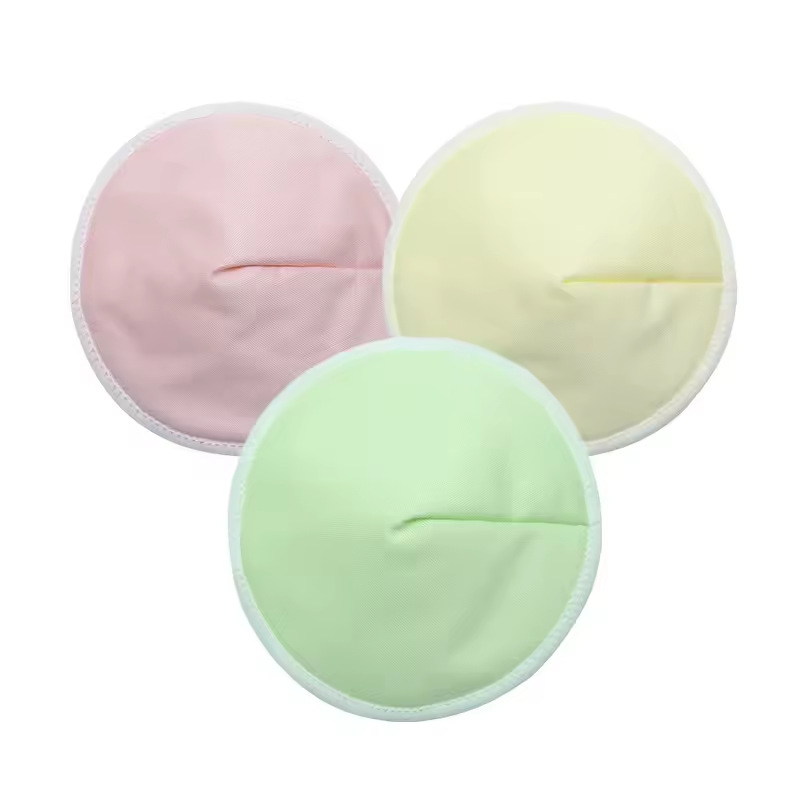
Choosing between washable nursing pads vs disposable options is a critical decision for both retailers and manufacturers operating in the maternal care market. This comparison extends beyond simple convenience preferences, touching on cost structures, environmental impact, consumer satisfaction, and long-term business viability. Whether you're an OEM evaluating production strategies or a brand manager selecting product lines, understanding the practical and financial implications of washable nursing pads vs disposable solutions directly influences your competitive positioning and profitability.
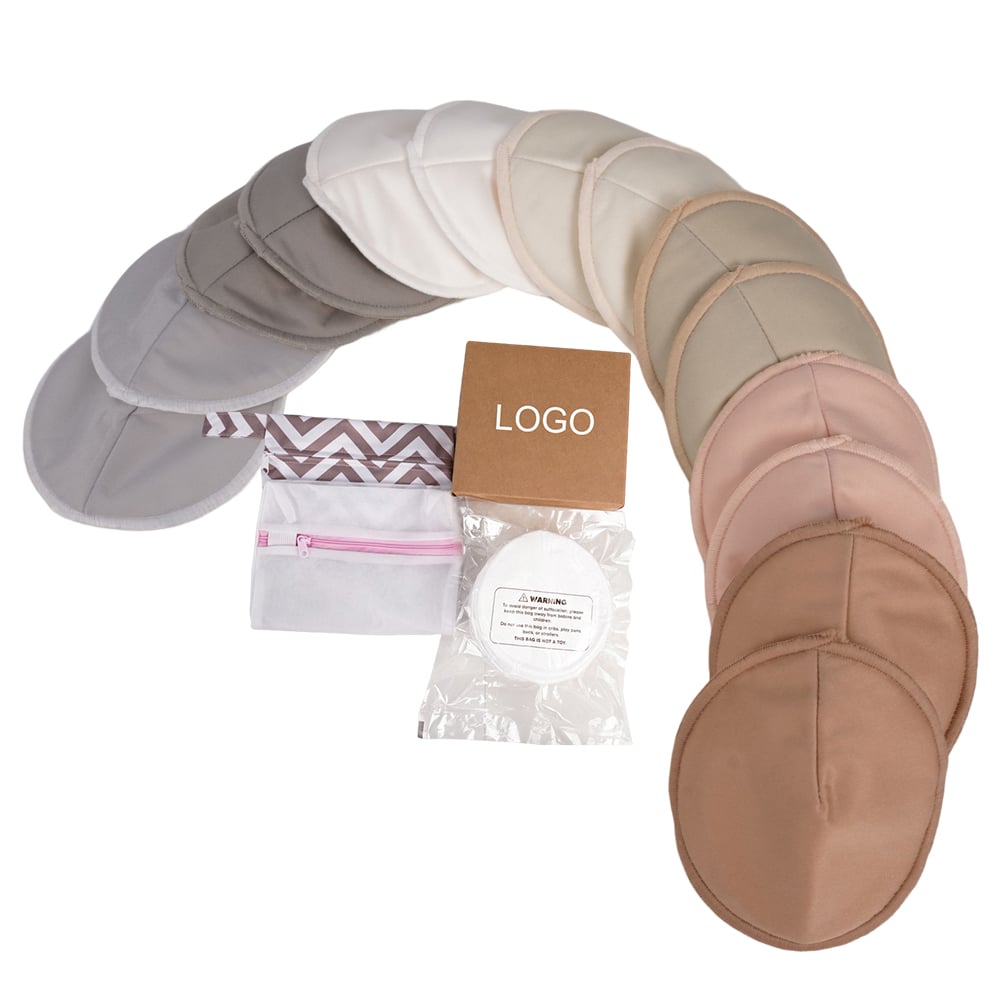
The debate over washable nursing pads vs disposable has intensified as consumers increasingly prioritize sustainability and value. OEM manufacturers face distinct advantages and constraints with each approach, requiring a nuanced understanding of production economics, supply chain efficiency, and market demand dynamics. This guide explores both pathways comprehensively, helping you make informed decisions aligned with your business strategy and customer expectations.
Understanding the Market Landscape for Washable Nursing Pads vs Disposable
Consumer Preferences and Market Trends
The shift toward eco-conscious purchasing has reshaped how consumers evaluate washable nursing pads vs disposable options. Modern mothers seek products that balance convenience with environmental responsibility, pushing retailers and manufacturers to expand their sustainable offerings. Research indicates that approximately forty percent of nursing mothers actively consider environmental impact when selecting breast care solutions, making washable nursing pads vs disposable a genuine category differentiator rather than a niche preference.
Retailers report stronger customer loyalty and repeat purchases with washable nursing pads vs disposable product lines that communicate clear sustainability messaging. The psychological value of reusable products extends beyond functional benefits, creating a premium positioning opportunity that justifies higher retail margins. OEM partners who understand these consumer sentiment shifts gain significant competitive advantage in brand collaboration and product development contracts.
Production Volume and Scalability Considerations
Manufacturing washable nursing pads vs disposable solutions involves fundamentally different production processes and supply chain requirements. Disposable pads demand consistent high-volume output with streamlined raw material sourcing and rapid quality turnover, while washable nursing pads prioritize durability, stitching precision, and fabric treatment consistency. OEM facilities considering washable nursing pads vs disposable production must evaluate existing equipment capabilities, labor skill requirements, and quality control infrastructure against demand forecasts.
Washable alternatives typically require investment in commercial laundering protocols, shrinkage testing, and colorfastness verification to ensure products maintain integrity across multiple wash cycles. This additional testing complexity means the cost per unit for initial production setup is higher when manufacturing washable nursing pads vs disposable options, though per-unit costs stabilize at higher volumes due to fabric efficiency and reduced packaging waste.
Financial Comparison: OEM Cost Analysis
Raw Material and Component Economics
When evaluating washable nursing pads vs disposable from an OEM manufacturing perspective, raw material costs present the first critical distinction. Disposable nursing pads require absorbent polymers, moisture barriers, and adhesive layers sourced in bulk, benefiting from commodity pricing but facing supply volatility. Washable nursing pads rely on premium fabric blends, often organic bamboo or certified organic cotton, with consistent pricing but higher baseline costs per unit of finished product.
The decision between washable nursing pads vs disposable significantly impacts procurement strategy and supplier relationships. Organic fabric sourcing for washable options demands transparent supply chain documentation and traceability compliance, increasing administrative overhead but supporting premium brand positioning. Disposable pad components, while cheaper individually, accumulate costs through higher consumption volumes and packaging materials required per customer transaction.
Manufacturing Efficiency and Labor Requirements
Production timelines for washable nursing pads vs disposable differ substantially in their labor and equipment demands. Disposable pads typically involve high-speed assembly lines with automated absorbency layering and sealing, requiring significant initial capital investment but lower ongoing labor costs per thousand units. Washable nursing pads often require more manual quality inspection, stitching verification, and edge-finishing work, creating different breakeven analyses when comparing washable nursing pads vs disposable manufacturing efficiency.
OEM partners specializing in washable options can differentiate through meticulous craftsmanship and feature customization that disposable production lines cannot easily replicate. The comparison between washable nursing pads vs disposable becomes a strategic choice between automation-driven economies of scale and quality-driven premium positioning rather than a simple cost calculation. Facilities with flexible manufacturing capabilities gain advantage by offering both washable nursing pads vs disposable solutions to different brand partners, optimizing equipment utilization across market segments.
Environmental and Consumer Impact Analysis
Lifecycle Sustainability Metrics
The environmental implications of choosing washable nursing pads vs disposable extend across production, usage, and disposal phases. A single mother using disposable pads generates approximately one hundred to one hundred fifty units of waste per year, creating landfill burden and resource consumption through continuous purchasing cycles. Conversely, washable nursing pads vs disposable considerations reveal that ten to fifteen reusable pads, if properly maintained, can replace several hundred disposable units over a typical nursing period of six to twenty-four months.
However, washable nursing pads vs disposable lifecycle analysis must account for laundering resource consumption, including water usage, detergent chemicals, and energy expenditure. Manufacturing washable variants typically demonstrates lower cumulative environmental impact compared to disposable counterparts, particularly when commercial laundering uses efficient systems with cold-water cycles and concentrated detergents. OEM communications highlighting these lifecycle benefits strengthen market positioning and justify premium pricing when promoting washable nursing pads vs disposable product lines to environmentally conscious retailers and consumers.
Brand Loyalty and Customer Lifetime Value
Customers purchasing washable nursing pads vs disposable options demonstrate measurably different purchasing behavior and brand loyalty patterns. Consumers investing in washable products show higher satisfaction ratings and greater propensity to purchase additional items from the same brand, creating compounding revenue opportunities beyond initial nursing pad sales. The shift toward washable nursing pads vs disposable positioning aligns brands with sustainability values, attracting customer segments that prioritize corporate environmental responsibility and transparent manufacturing practices.
Brand partnerships emphasizing washable nursing pads vs disposable differentiation report stronger social media engagement, word-of-mouth recommendations, and repeat purchase rates compared to disposable-only product offerings. OEM manufacturers providing high-quality washable options gain strategic advantage in retail negotiations and can command premium partnership terms by offering proven customer retention improvements versus traditional disposable-focused competitors.
FAQ
What are the primary cost differences when comparing washable nursing pads vs disposable from an OEM perspective?
OEM production costs for washable nursing pads vs disposable differ significantly in raw materials, equipment investment, and labor requirements. Washable pads require premium organic fabrics and extensive quality testing but lower ongoing material costs per unit at scale, while disposables involve cheaper commodity materials but higher continuous consumption volumes for end customers. The per-unit manufacturing cost depends heavily on production volume, with washable nursing pads vs disposable economics favoring washable options once monthly volumes exceed ten thousand units, creating improved margins for OEM partners.
How do environmental considerations influence the washable nursing pads vs disposable decision?
Environmental impact assessment of washable nursing pads vs disposable reveals that reusable options typically generate significantly lower cumulative waste and resource consumption across their product lifecycle. Disposable pads contribute hundreds of units annually to landfills, while quality washable nursing pads vs disposable alternatives can replace several hundred disposable units using only ten to twenty reusable pieces. For OEM manufacturers and retailers seeking sustainability credentials, emphasizing washable nursing pads vs disposable differentiation attracts eco-conscious consumers and creates powerful marketing differentiation in competitive maternal care markets.
Which option offers better profit margins for retail partners when choosing washable nursing pads vs disposable?
Retail economics for washable nursing pads vs disposable products generally favor washable options due to higher wholesale margins and superior customer retention metrics. Disposable nursing pads require aggressive pricing to compete, compressing retailer margins through volume-dependent competitive pressure, while quality washable nursing pads vs disposable alternatives support premium pricing strategies and reduce promotional spending through strong customer satisfaction. Retail partners report that washable nursing pads vs disposable product lines attract higher-value customer segments and generate stronger repeat purchase patterns, improving overall profitability per customer interaction compared to disposable-focused inventory strategies.
Table of Contents
- Understanding the Market Landscape for Washable Nursing Pads vs Disposable
- Financial Comparison: OEM Cost Analysis
- Environmental and Consumer Impact Analysis
-
FAQ
- What are the primary cost differences when comparing washable nursing pads vs disposable from an OEM perspective?
- How do environmental considerations influence the washable nursing pads vs disposable decision?
- Which option offers better profit margins for retail partners when choosing washable nursing pads vs disposable?