
 EN
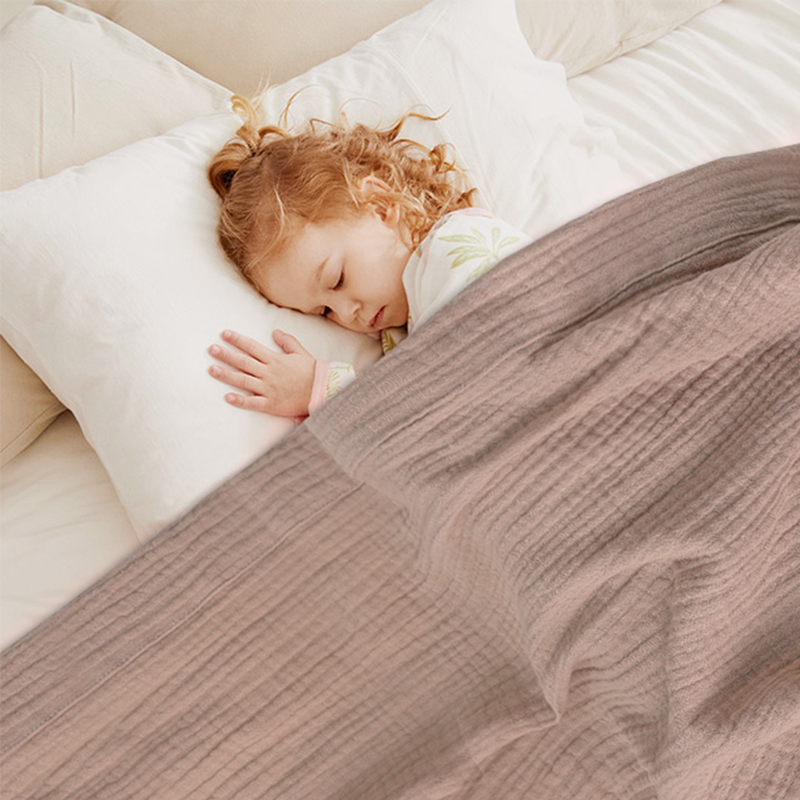
Sleep quality during the toddler years directly influences cognitive development, emotional regulation, and physical growth. Parents and health-conscious brands increasingly recognize that hypoallergenic toddler pillows play a critical role in maintaining a clean, allergen-free sleep environment. Unlike standard pillows that may harbor dust mites, mold, and synthetic irritants, hypoallergenic toddler pillows are engineered to eliminate common allergens while providing the gentle support young children need for restorative sleep.
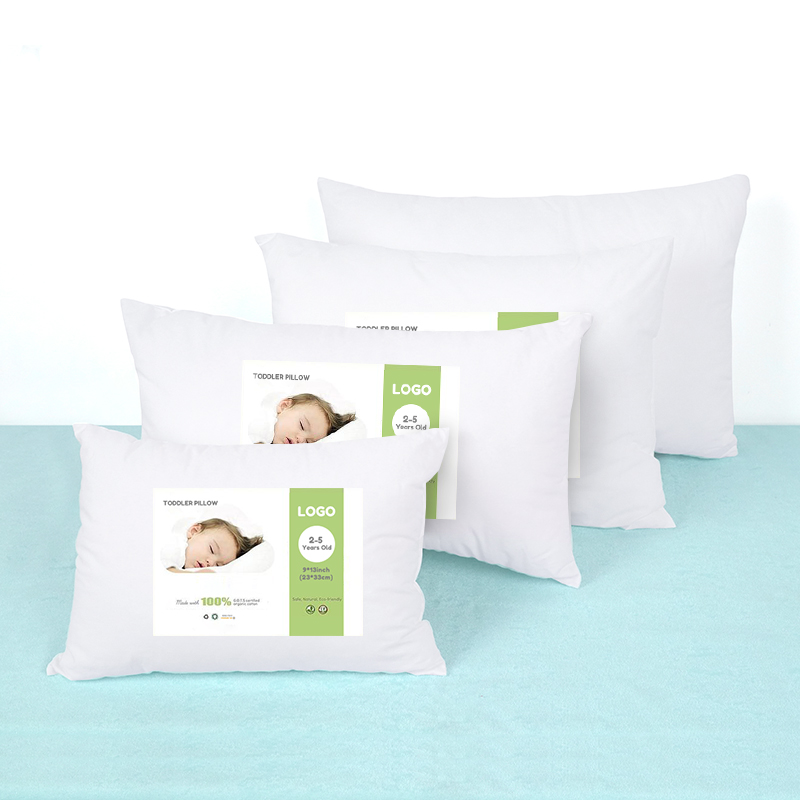
For brands committed to child wellness, sourcing premium hypoallergenic toddler pillows through OEM partnerships offers a competitive advantage. These pillows meet stringent safety standards, reduce parental anxiety about allergic reactions, and build trust with families who prioritize health over cost savings. Understanding the materials, construction methods, and certifications behind hypoallergenic toddler pillows is essential for making informed procurement decisions.
Core Materials and Allergen Reduction Technology
Organic Cotton and Natural Fiber Selection
Hypoallergenic toddler pillows constructed from organic cotton eliminate pesticide residues and synthetic dyes that trigger allergic responses in sensitive children. Organic cotton fiber is naturally hypoallergenic because it avoids chemical processing that introduces irritants. When sourcing hypoallergenic toddler pillows, verify that organic certification comes from recognized bodies such as GOTS or OCS, ensuring third-party validation of material purity.
Beyond cotton, premium hypoallergenic toddler pillows often incorporate bamboo viscose, which naturally resists dust mite colonization due to its smooth fiber structure. Bamboo-based hypoallergenic toddler pillows provide superior breathability, reducing heat and moisture accumulation that feed allergen-causing organisms. Brands seeking differentiation can source hypoallergenic toddler pillows with blended organic materials that combine cotton softness with bamboo hypoallergenic properties.
Fill Materials and Dust Mite Prevention
Traditional polyester fill in toddler pillows becomes a breeding ground for dust mites within months of use. Hypoallergenic toddler pillows use specialized fill materials such as hypoallergenic polyester microfiber or memory foam alternatives treated with anti-microbial coatings. These advanced hypoallergenic toddler pillows maintain their allergen-blocking properties through multiple wash cycles, protecting toddlers from delayed allergic sensitization.
Some premium hypoallergenic toddler pillows feature buckwheat hulls or organic kapok filling, which naturally repel dust mites and promote airflow. These materials are particularly effective for hypoallergenic toddler pillows aimed at regions with high humidity, where traditional fill materials deteriorate rapidly. OEM manufacturers of hypoallergenic toddler pillows can customize fill density to meet specific firmness requirements while maintaining hypoallergenic integrity.
Manufacturing Standards and Safety Certifications
Compliance Testing and Regulatory Requirements
Hypoallergenic toddler pillows destined for retail markets must pass rigorous flammability, chemical safety, and heavy metal testing mandated by CPSIA and ASTM standards. OEM facilities producing hypoallergenic toddler pillows maintain ISO 9001 certification and conduct third-party lab validation to confirm that fill materials, adhesives, and thread contain no harmful substances. Brands purchasing hypoallergenic toddler pillows should request full compliance documentation before bulk orders.
Allergen-specific testing distinguishes genuine hypoallergenic toddler pillows from marketing claims. Laboratory analysis of hypoallergenic toddler pillows includes dust mite protein quantification, mold spore counts, and pollen presence validation. Reputable OEM partners for hypoallergenic toddler pillows provide allergen test reports alongside Safety Data Sheets, demonstrating transparency and genuine commitment to child health.
Quality Control and Batch Verification
Manufacturing hypoallergenic toddler pillows requires environment controls that prevent cross-contamination with standard pillow production lines. Dedicated facilities for hypoallergenic toddler pillows maintain HEPA filtration, separate fabric storage, and segregated stitching stations to ensure no allergen transfer occurs. Batch-level testing of finished hypoallergenic toddler pillows confirms that each production run meets declared hypoallergenic specifications before shipment.
Traceability systems for hypoallergenic toddler pillows allow brands to recall specific batches if quality issues emerge post-launch. OEM partners managing hypoallergenic toddler pillows inventory should maintain first-in-first-out rotation and climate-controlled storage to prevent moisture absorption or dust mite introduction during warehouse holding. This operational rigor directly impacts whether hypoallergenic toddler pillows maintain their allergen-free promise until consumer use.
Market Positioning and Brand Differentiation
Health-Conscious Consumer Targeting
Families with children suffering from eczema, asthma, or seasonal allergies actively seek hypoallergenic toddler pillows as part of comprehensive allergy management strategies. Marketing hypoallergenic toddler pillows to pediatricians, allergists, and wellness-focused retailers amplifies brand credibility beyond generic parenting channels. Brands offering hypoallergenic toddler pillows gain pricing power and customer loyalty when positioned as medically-aligned solutions rather than commodity bedding.
Educational content explaining how hypoallergenic toddler pillows reduce nighttime symptoms builds consumer trust and justifies premium positioning. Case studies or testimonials from parents managing allergic children reinforce the functional value of hypoallergenic toddler pillows. Retailers stocking hypoallergenic toddler pillows benefit from this authentic health-forward narrative, differentiating from competitors selling standard toddler bedding.
OEM Partnership Models and Scalability
Growing brands require OEM partners capable of scaling hypoallergenic toddler pillows production while maintaining quality consistency across larger volumes. Minimum order quantities for hypoallergenic toddler pillows typically range from 500 to 2,000 units per design, requiring strategic inventory planning. OEM facilities experienced in hypoallergenic toddler pillows can introduce custom branding, packaging, and size variations without compromising allergen-free performance.
Lead times for hypoallergenic toddler pillows sourcing generally span 60 to 90 days, accounting for fabric procurement, production sequencing, and compliance testing. Brands planning seasonal launches must coordinate hypoallergenic toddler pillows orders months in advance to avoid stockouts. Establishing long-term relationships with hypoallergenic toddler pillows OEM suppliers creates stability, priority production access, and negotiated pricing as order volumes increase.
FAQ
What makes hypoallergenic toddler pillows different from regular toddler pillows?
Hypoallergenic toddler pillows use certified organic materials, specialized fill designed to repel dust mites and mold, and construction methods that prevent allergen accumulation. Regular toddler pillows often contain synthetic fibers, conventional pesticide-treated cotton, and fill that deteriorates into allergen sources within months. Hypoallergenic toddler pillows undergo laboratory testing to confirm allergen levels remain below trigger thresholds for sensitive children, while regular pillows lack this validation.
How should brands evaluate OEM suppliers for hypoallergenic toddler pillows?
Request third-party allergen test reports, CPSIA and ASTM compliance certifications, and facility audit results before committing to hypoallergenic toddler pillows orders. Verify that facilities maintain dedicated production lines for allergen-free goods and implement rigorous quality control protocols. Ask for sample batches and conduct independent verification before placing large orders, ensuring hypoallergenic toddler pillows meet your brand's standards consistently.
Are hypoallergenic toddler pillows suitable for all toddlers?
Hypoallergenic toddler pillows benefit all children but are especially valuable for those with known allergies, sensitive skin, or respiratory conditions. Even toddlers without diagnosed allergies gain advantages from hypoallergenic toddler pillows because they reduce cumulative allergen exposure during critical developmental years. Parents should consult pediatricians about appropriate pillow sizing for individual toddler developmental stages, as hypoallergenic toddler pillows come in various dimensions tailored to different ages.