
 EN
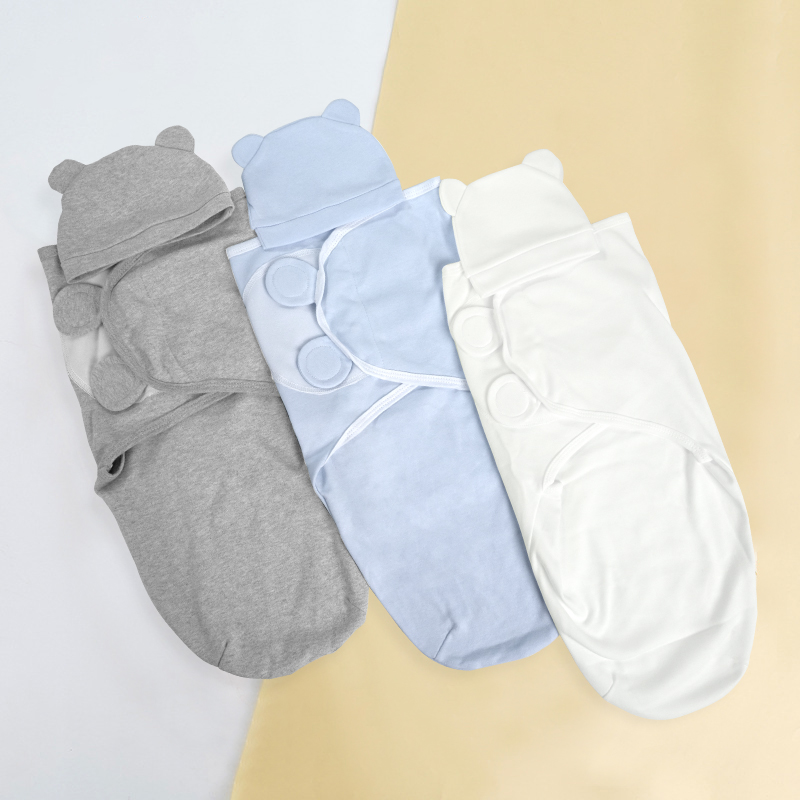
Muslin swaddle blankets have become essential products in the infant care market, combining softness, breathability, and durability that parents and caregivers demand. For manufacturers and OEM producers, understanding the technical specifications and market requirements of muslin swaddle blankets is critical to delivering products that meet both consumer expectations and industry standards. This guide explores the key characteristics that define premium muslin swaddle blankets and how to evaluate quality for production purposes.

Selecting the right muslin swaddle blankets for your product line requires knowledge of fabric composition, construction methods, and performance benchmarks. The global demand for muslin swaddle blankets continues to grow as parents recognize their benefits for infant comfort and ease of use. Understanding these dynamics helps OEM producers make informed decisions about sourcing, customization, and quality assurance in muslin swaddle blankets manufacturing.
Understanding Muslin Fabric Properties and Performance Standards
Breathability and Temperature Regulation in Muslin Swaddle Blankets
Muslin swaddle blankets excel in breathability due to their open-weave construction, which allows consistent air circulation around the infant. This property is fundamental to muslin swaddle blankets' appeal, as it reduces the risk of overheating while maintaining comfort in various seasons. The fabric's natural cotton composition ensures that muslin swaddle blankets provide reliable temperature regulation from spring through fall, making them ideal for year-round use in diverse climates.
For OEM manufacturers, understanding the thread count and weave tightness of muslin swaddle blankets is essential for quality control. Standard muslin swaddle blankets typically feature a thread count between 80 and 100, creating a balance between durability and airflow. Higher-quality muslin swaddle blankets maintain consistent weave density across the entire blanket, preventing hot spots and ensuring uniform breathability throughout use.
Softness and Skin-Friendly Characteristics
Premium muslin swaddle blankets undergo careful processing to achieve a soft hand feel that's gentle against delicate infant skin. The pre-washing and stone-washing processes used in producing muslin swaddle blankets soften the fibers without compromising structural integrity. Manufacturers of muslin swaddle blankets must balance softness with washability, as the blankets need to withstand multiple wash cycles while retaining their gentle texture.
Skin sensitivity concerns make the chemical profile of muslin swaddle blankets crucial for OEM production. The best muslin swaddle blankets meet international standards for dye safety and finish treatments, ensuring no harmful chemicals remain after final processing. Certified muslin swaddle blankets reduce allergen risks and provide parents with confidence in product safety.
Durability Features and Longevity in Muslin Swaddle Blankets
Stitching Quality and Seam Construction
The durability of muslin swaddle blankets depends significantly on stitching precision and seam construction methods. Well-manufactured muslin swaddle blankets use reinforced stitching at stress points, particularly along edges where repeated folding and washing occur most frequently. Double-stitched hems and lockstitched seams are hallmarks of production-grade muslin swaddle blankets that withstand extended use across multiple children.
For OEM producers, seam slippage represents a common quality issue in lower-grade muslin swaddle blankets. Investing in precision cutting and industrial-grade sewing equipment ensures that muslin swaddle blankets maintain dimensional stability after dozens of wash cycles. Quality control testing of seam strength before shipment helps manufacturers maintain reputation and reduce product returns for muslin swaddle blankets.
Fabric Density and Weight Considerations
Premium muslin swaddle blankets balance lightweight construction with sufficient fabric density to prevent tearing and pilling. The ideal weight range for muslin swaddle blankets is between 100 and 120 grams per square meter, providing adequate coverage without excessive bulk. Heavier muslin swaddle blankets may feel more substantial but reduce breathability, while lighter variations may feel fragile despite adequate strength.
Pilling resistance is particularly important for muslin swaddle blankets destined for frequent laundering in both home and institutional settings. High-quality muslin swaddle blankets incorporate combed or carded cotton fibers that resist fuzzing and pilling better than standard raw materials. Testing muslin swaddle blankets through accelerated wash cycles helps identify durability issues before full production runs.
Production Standards and Customization Options for Muslin Swaddle Blankets
Size Specifications and Functional Design
Standard muslin swaddle blankets measure approximately 47 by 47 inches, providing adequate coverage for newborns through toddler ages while maintaining portability for parents. Custom sizing options allow OEM manufacturers to differentiate their muslin swaddle blankets lines for specific market segments or geographic preferences. Some producers offer larger muslin swaddle blankets measuring 50 by 50 inches for consumers preferring extended coverage versatility.
Design features embedded in muslin swaddle blankets enhance functionality and user experience. Corner loops or reinforced edges on muslin swaddle blankets improve ease of swaddling and prevent unraveling during use. Color options for muslin swaddle blankets range from traditional whites and neutrals to pastels and prints, with dye selection affecting softness and wash durability.
Color Fastness and Pattern Printing Techniques
Manufacturers of muslin swaddle blankets must prioritize color fastness to ensure patterns remain vibrant after multiple wash cycles. Reactive dyes and pigment-based prints are common choices for muslin swaddle blankets, each offering different advantages for saturation and longevity. Pre-testing color fastness standards ensures that muslin swaddle blankets meet international regulations and consumer expectations for quality.
When incorporating printed designs into muslin swaddle blankets, producers must verify that printing chemicals and processes align with infant safety regulations. Digital printing and traditional screen printing are both viable for muslin swaddle blankets, with each method offering distinct advantages for small batches versus large-volume production runs. The muslin swaddle blankets you produce should maintain consistent print quality and color integrity throughout their intended lifespan.
FAQ
Why are muslin swaddle blankets preferred over other fabric types?
Muslin swaddle blankets offer superior breathability compared to fleece or jersey alternatives, reducing overheating risks for infants. The natural cotton construction makes muslin swaddle blankets hypoallergenic and gentle on sensitive skin. Additionally, muslin swaddle blankets are versatile, serving as swaddles, stroller covers, nursing covers, and more, making them valuable purchases for parents seeking multi-functional infant products.
What quality certifications should muslin swaddle blankets meet?
Premium muslin swaddle blankets should meet OEKO-TEX Standard 100 certification, ensuring absence of harmful substances in the finished product. Many muslin swaddle blankets also comply with Consumer Product Safety Commission standards for children's textiles and regional regulations in target markets. Third-party testing validates that muslin swaddle blankets meet safety, performance, and durability specifications before distribution.
How should manufacturers test durability of muslin swaddle blankets?
OEM producers of muslin swaddle blankets should conduct accelerated wash testing, simulating 50 or more domestic wash cycles to assess shrinkage, color fastness, and seam integrity. Tensile strength testing evaluates muslin swaddle blankets' resistance to tearing and strain from normal use patterns. Pilling and abrasion tests help identify surface durability issues before muslin swaddle blankets reach consumers, ensuring consistent quality across production batches.