
 EN
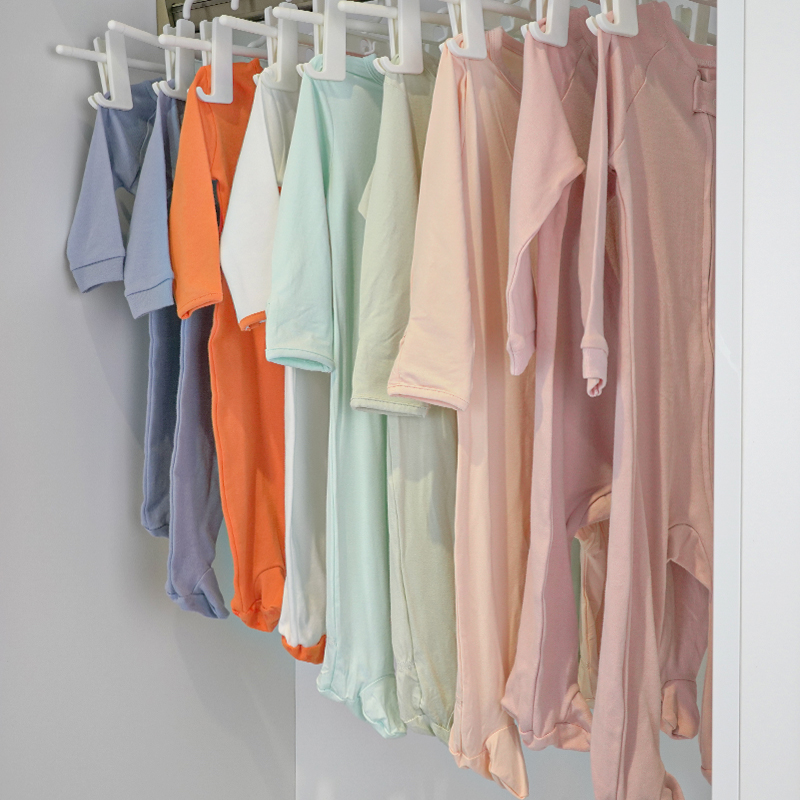
Parents and manufacturers alike recognize that organic cotton crib sheets represent a fundamental investment in infant safety and comfort. When designing OEM brand collections, the choice of organic cotton crib sheets becomes critical because these sheets directly contact a baby's delicate skin during hours of vulnerable sleep. Organic cotton crib sheets eliminate harmful pesticide residues, synthetic chemicals, and synthetic dyes that conventional bedding might retain, creating a genuinely safe sleep environment from the moment a baby rests on the mattress.
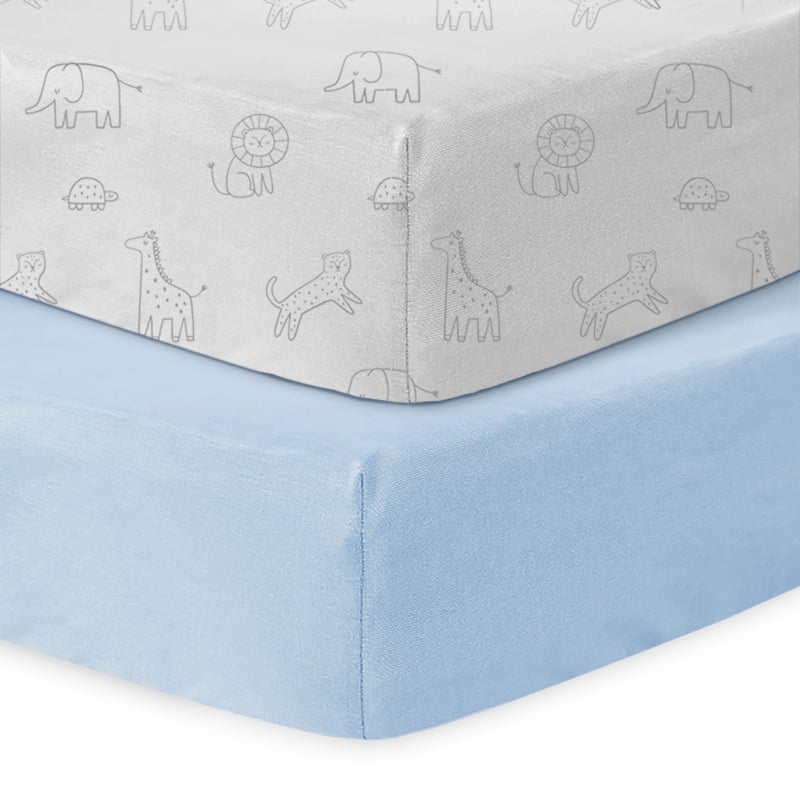
The certification standards behind organic cotton crib sheets matter significantly more than marketing claims alone. Legitimate organic cotton crib sheets undergo rigorous testing to verify GOTS (Global Organic Textile Standard) compliance, which ensures the entire production chain—from seed to finished product—adheres to strict environmental and safety protocols. For OEM brands building credibility in the premium infant bedding market, organic cotton crib sheets certified to these standards become a competitive differentiator that resonates with health-conscious families and regulatory compliance requirements alike.
Why Organic Cotton Crib Sheets Matter for Infant Health
Eliminating Chemical Exposure During Critical Sleep Stages
Babies spend approximately 16 to 18 hours per day sleeping during their first months of life, meaning organic cotton crib sheets encompass the longest-duration contact point between skin and textiles during infancy. Conventional crib sheets manufactured from non-organic cotton often contain residual pesticides from cultivation, formaldehyde used in fabric finishing, and azo dyes that can leach onto skin through perspiration and body heat. Organic cotton crib sheets eliminate this chemical pathway entirely because organic cultivation prohibits synthetic pesticides, and GOTS certification restricts harmful finishing agents, creating a measurably safer contact surface. For OEM brands targeting safety-first parents, the ability to guarantee that organic cotton crib sheets contain zero prohibited chemical residues becomes a powerful market positioning statement.
Supporting Skin Integrity and Reducing Allergic Reactions
Infants develop their skin barrier gradually, leaving them particularly vulnerable to irritation from chemical residues and synthetic fibers. Organic cotton crib sheets provide superior compatibility with sensitive skin because the fiber structure remains uncompromised by harsh processing chemicals and the natural properties of organic cotton promote better moisture management. Babies experiencing eczema, contact dermatitis, or general skin sensitivity show measurably fewer reactions when sleeping on organic cotton crib sheets compared to conventional alternatives. This clinical reality makes organic cotton crib sheets not merely a luxury choice but a therapeutic consideration for families managing infant skin conditions, which strengthens the value proposition for OEM brands positioning themselves in the premium health-focused segment.
Certification Standards and What They Guarantee
Understanding GOTS Certification for Organic Cotton Crib Sheets
GOTS certification represents the gold standard for organic cotton crib sheets because it establishes transparent accountability across the entire textile supply chain. The standard requires independent inspection at multiple production stages, documentation of pesticide-free cultivation, confirmation that dyes meet strict toxicity thresholds, and verification that workers receive fair wages and safe conditions. When manufacturers market organic cotton crib sheets bearing authentic GOTS labels, they provide regulatory proof that the sheets meet international safety benchmarks recognized by pediatricians, consumer protection agencies, and government bodies worldwide. For OEM brand builders, GOTS-certified organic cotton crib sheets eliminate the risk of misleading marketing claims and ensure that every sheet in your collection genuinely delivers on the safety promise inherent in the 'organic' label.
Beyond GOTS: Additional Safety Testing for Crib Sheet Performance
Leading manufacturers of organic cotton crib sheets conduct supplementary safety testing beyond baseline GOTS requirements to address the specific hazards of crib bedding. These tests include verification that organic cotton crib sheets meet flammability standards without requiring chemical flame retardants, confirmation that elastic and seam construction prevent loose corners that pose strangulation risks, and analysis of thread integrity under repeated washing to ensure durability matches safety performance. Many premium organic cotton crib sheets also undergo third-party testing for microplastics, heavy metals, and allergen presence to provide an extra layer of transparent assurance. For OEM brands, communicating these additional safety layers when marketing organic cotton crib sheets demonstrates commitment to comprehensive infant protection and differentiates premium collections from basic offerings claiming only baseline certification.
Integration into OEM Brand Collections and Market Positioning
Designing Collections That Emphasize Organic Cotton Crib Sheets
OEM brand collections that prominently feature organic cotton crib sheets benefit from clear product storytelling that educates retailers and end consumers about the safety advantages and certification rigor behind the offering. Effective positioning communicates that organic cotton crib sheets represent the foundation of a complete sleep safety system rather than simply serving as decorative bedding, which justifies premium pricing and attracts the growing segment of parents willing to invest substantially in certified-safe products. Collections organized around organic cotton crib sheets—paired with complementary items like organic mattress covers, hypoallergenic pillows, and safety-tested sleep accessories—create a cohesive brand narrative centered on measurable infant health benefits. This strategic approach transforms organic cotton crib sheets from commodity bedding into a signature collection element that drives brand recognition and customer loyalty.
Meeting Regulatory and Retailer Requirements
Major retail channels increasingly mandate that crib bedding products, including organic cotton crib sheets, meet specific safety certifications before acceptance into inventory. organic cotton crib sheets that carry GOTS certification, third-party safety verification, and compliance documentation significantly reduce retailer hesitation and accelerate approval timelines for OEM collections entering distribution networks. Additionally, some jurisdictions enforce chemical residue limits for products sold as infant bedding, meaning organic cotton crib sheets sourced from certified producers provide automatic compliance with regional regulations that vary across markets. For OEM brand leaders, ensuring that every organic cotton crib sheet in the collection documentation explicitly demonstrates regulatory compliance transforms potential barriers into competitive advantages and simplifies the path to national and international retail placement.
FAQ
How do organic cotton crib sheets compare to conventional cotton sheets in terms of durability?
Organic cotton crib sheets typically demonstrate equal or superior durability to conventional cotton sheets because the absence of harsh chemical processing actually preserves fiber integrity and strength. High-quality organic cotton crib sheets withstand repeated washing, normal wear from baby movement, and routine care without degradation of color, elasticity, or structural integrity. The primary durability difference favors organic cotton crib sheets when measured over extended use cycles because the natural fiber properties remain uncompromised by finishing chemicals that can weaken conventional sheets over time. Parents and institutions using organic cotton crib sheets for multiple children or extended periods consistently report that these sheets maintain their performance characteristics across 100+ wash cycles.
Are organic cotton crib sheets more expensive, and does the cost difference justify the investment?
Organic cotton crib sheets command a price premium typically ranging from 40 to 80 percent above conventional alternatives due to higher cultivation costs, rigorous certification requirements, and additional safety testing. However, the cost difference becomes financially justified when considering that organic cotton crib sheets eliminate risks of skin reactions requiring pediatric treatment, reduce replacement needs through superior durability, and provide documented safety assurance that conventional sheets cannot match. For parents managing multiple children or institutions purchasing in volume, the investment in organic cotton crib sheets distributes across extended use cycles, effectively reducing per-use cost while maintaining consistent safety standards. OEM brands marketing organic cotton crib sheets should communicate total cost of ownership rather than absolute price to help value-conscious buyers understand the financial rationality of the premium.
Can organic cotton crib sheets be used in all standard crib sizes, and what sizing options exist?
Organic cotton crib sheets are manufactured in multiple dimensions to accommodate standard full-size cribs, portable play yards, changing tables, and convertible toddler beds that evolve from infant furniture. The most common sizing for organic cotton crib sheets covers standard full-size baby cribs measuring 28 inches wide by 52.5 inches long, with fitted designs incorporating elastic corners and tailored seams to ensure secure positioning and eliminate bunching. Premium organic cotton crib sheets lines also offer deep-pocket variants that accommodate thicker mattresses, compact sizing for smaller portable products, and oversized options for convertible furniture that transforms as children age. OEM brand collections should clearly specify which crib formats each organic cotton crib sheet variant accommodates to prevent consumer confusion and ensure that customers select properly fitting products for their specific furniture dimensions.