
 EN
EN
Sourcing crib sheets as a B2B buyer involves far more than selecting soft fabrics and attractive prints. The crib sheets category sits at the intersection of infant safety, textile regulation, and eco-conscious consumer demand, which means every purchasing decision carries real compliance weight. When you source crib sheets without verifying the right certifications, you expose your business to regulatory risk, product recalls, and damaged brand trust. Understanding exactly which certifications apply to crib sheets — and why they matter — is the first step toward building a safer, more credible product line.
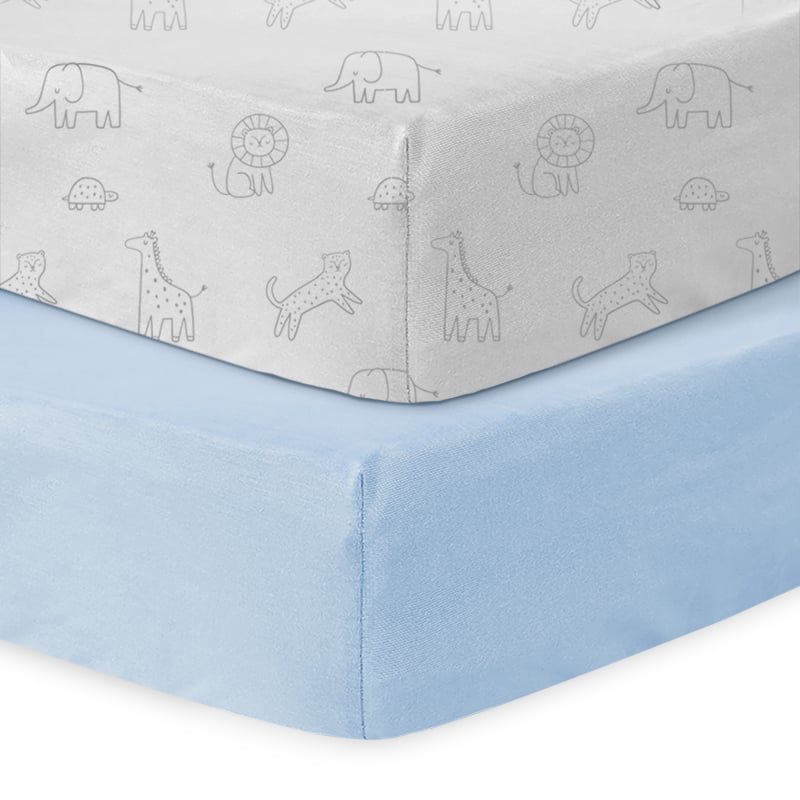
The global market for crib sheets has grown significantly as parents and retailers prioritize transparency in baby products. Importers, distributors, and private-label brands sourcing crib sheets must now navigate a layered certification landscape that spans chemical safety, physical performance, and organic fiber standards. This article breaks down each critical certification category so that buyers sourcing crib sheets can make informed, defensible procurement decisions that satisfy both regulators and end consumers.
Why Certifications Are Essential When Sourcing Crib Sheets
Safety Risks Unique to Crib Sheets
Crib sheets are in direct and prolonged contact with sleeping infants, which places them in a uniquely high-risk product category. Unlike adult bedding, crib sheets must meet stricter chemical residue thresholds because infant skin is more permeable and infants cannot move away from irritants on their own. Buyers sourcing crib sheets without proper certification data risk delivering products that contain harmful levels of formaldehyde, azo dyes, or pesticide residues. Certified crib sheets provide documented assurance that independent laboratories have tested the product against recognized infant safety benchmarks. For any retailer or brand, selling uncertified crib sheets in markets with strong consumer protection laws is a liability that no margin advantage can justify.
Market Access and Regulatory Compliance for Crib Sheets
Regulatory bodies in the United States, the European Union, and other major markets have established specific requirements that crib sheets must satisfy before they can be legally sold. In the US, crib sheets intended for commercial sale must comply with Consumer Product Safety Commission rules governing flammability and labeling. In the EU, crib sheets must align with REACH regulations that restrict hazardous substances in textile articles. Buyers who source crib sheets for multiple markets need to confirm that their suppliers hold certifications recognized across jurisdictions. Failing to clear customs or facing a mid-season product hold because crib sheets lacked the correct documentation is a costly and avoidable mistake. Certification is not optional for crib sheets — it is the baseline for market access.
Key Certifications to Require When You Source Crib Sheets
OEKO-TEX STANDARD 100 for Crib Sheets
OEKO-TEX STANDARD 100 is one of the most widely recognized textile certifications for crib sheets and baby bedding. This certification confirms that every component of the crib sheets — including threads, dyes, and backing materials — has been tested for harmful substances. For crib sheets sold to infants under 36 months, OEKO-TEX applies its most stringent Product Class I criteria, which imposes lower permissible limits on chemical residues than those applied to adult textiles. Buyers sourcing crib sheets should ask suppliers for the valid OEKO-TEX certificate number, which can be verified online through the OEKO-TEX label check tool. Sourcing crib sheets with OEKO-TEX certification gives retailers a credible, consumer-facing quality claim that resonates strongly with health-conscious parents. When crib sheets carry this certification, the supply chain from fiber to finished product has been independently audited for chemical safety.
GOTS Certification for Organic Crib Sheets
The Global Organic Textile Standard, known as GOTS, is the leading certification for organic crib sheets made from natural fibers such as cotton. GOTS-certified crib sheets must contain at least 70% certified organic fibers, and the entire production chain — from farming through dyeing and finishing — must meet strict environmental and social criteria. Buyers sourcing organic crib sheets for premium retail channels should prioritize GOTS because it is the most rigorous organic textile standard globally. GOTS-certified crib sheets command higher price points, but they also support brand positioning around sustainability and safety. Verifying a supplier's GOTS scope certificate before ordering crib sheets in bulk helps buyers avoid greenwashing claims and ensures the organic credentials are genuine.
Evaluating Supplier Credentials When Sourcing Crib Sheets
Document Verification for Crib Sheets
When sourcing crib sheets from overseas manufacturers, document verification is a non-negotiable step. Buyers should request test reports for crib sheets issued by accredited third-party laboratories such as SGS, Bureau Veritas, or Intertek. These reports should cover flammability testing, restricted substance limits, and dimensional stability for the crib sheets in question. It is also important to confirm that the test reports correspond to the exact fabric composition and construction of the crib sheets being ordered, not a similar style tested previously. Experienced buyers sourcing crib sheets build a supplier qualification checklist that maps each required certification to the specific test standard and updates it as regulatory requirements evolve. Maintaining this documentation for all crib sheets in your catalog protects your business during audits, retailer compliance reviews, and customs inspections.
Waterproof Crib Sheets and Additional Performance Standards
Waterproof crib sheets present a distinct certification consideration because the waterproofing layer — typically a polyurethane laminate or TPU barrier — must also be tested for safety and performance. Buyers sourcing waterproof crib sheets should confirm that the waterproof backing has been tested for off-gassing, migration of plasticizers, and breathability. High-quality waterproof crib sheets are certified to ensure the laminate does not compromise the chemical safety profile of the overall product. Fitted crib sheets with a waterproof layer should also be tested for elastic retention and dimensional stability to ensure the sheet stays securely on the mattress throughout the sleep cycle. Crib sheets that pass both chemical certification and physical performance testing give buyers confidence that the product will meet safety expectations in real household use.
FAQ
What is the most important certification for crib sheets sold in the US market?
For crib sheets sold in the US, CPSC flammability compliance is the baseline legal requirement, while OEKO-TEX STANDARD 100 certification adds credible chemical safety assurance. Buyers sourcing crib sheets for American retailers should confirm both sets of standards are met before placing orders.
Are GOTS-certified crib sheets worth the higher cost for B2B buyers?
GOTS-certified crib sheets are worth the premium for buyers targeting health-focused or premium retail channels. These crib sheets support verified organic claims, reduce greenwashing risk, and meet the expectations of consumers who actively research the sourcing of baby products.
How often should test reports for crib sheets be renewed?
Test reports for crib sheets should be renewed whenever there is a change in fabric composition, dye lot, supplier, or manufacturing process. Even without changes, buyers sourcing crib sheets should refresh test documentation annually to reflect current regulatory standards and maintain valid certification records.