
 EN
EN
Choosing the right material is one of the most critical decisions when sourcing wholesale crib sheets. Whether you are a retailer building a baby product line, a distributor expanding inventory, or a nursery supplier looking to satisfy diverse customer needs, understanding the difference between cotton and bamboo can directly affect your product quality, profit margins, and customer satisfaction. Wholesale crib sheets come in a wide range of materials, but cotton and bamboo consistently dominate the market for good reason.
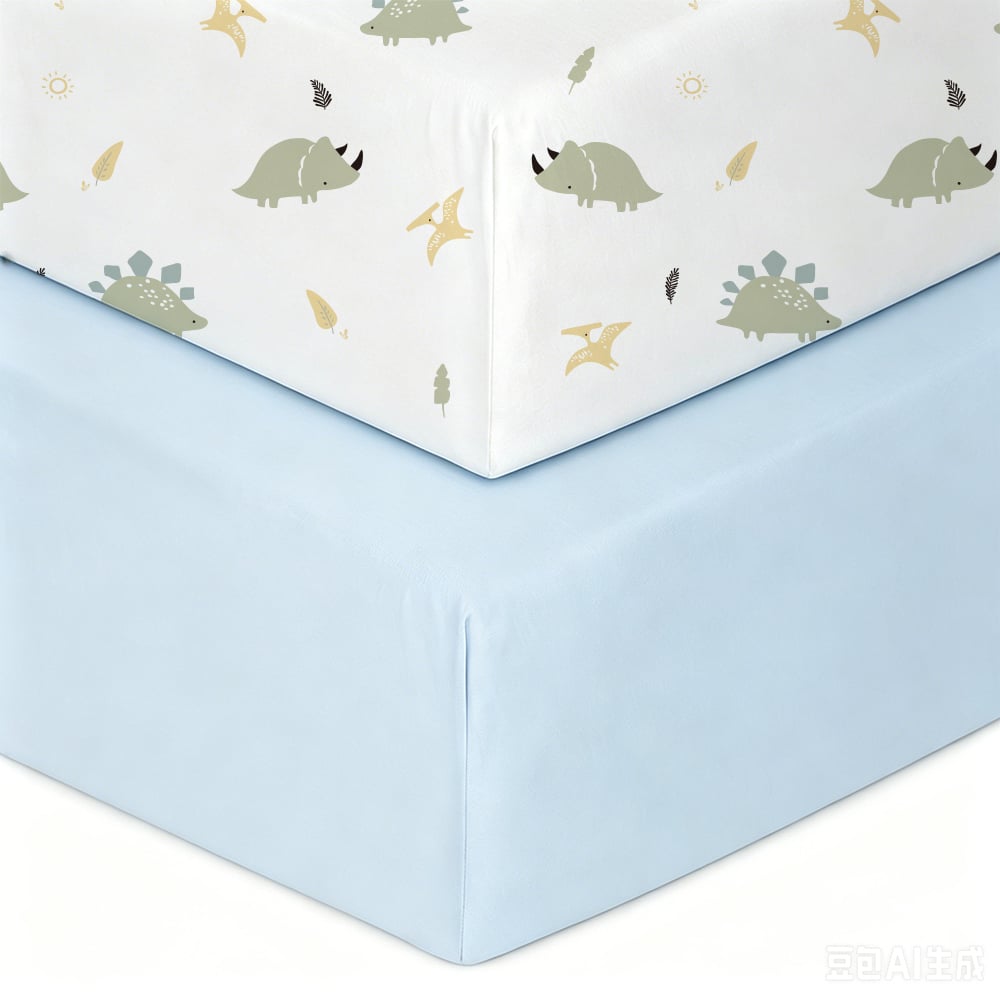
This guide breaks down the core differences between cotton and bamboo as materials used in wholesale crib sheets, focusing on performance, sourcing considerations, pricing dynamics, and which material fits which retail scenario. If you are serious about stocking the right wholesale crib sheets for your target customers, this comparison will give you a practical framework for making confident purchasing decisions.
Material Properties That Drive Buyer Decisions
Cotton Crib Sheets: Familiar, Durable, and Versatile
Cotton has long been the standard material in wholesale crib sheets across global markets. Its familiarity to consumers, reliable durability, and wide availability make it an attractive choice for buyers entering the baby bedding segment. When sourcing wholesale crib sheets made from cotton, buyers typically encounter options ranging from standard cotton to percale weaves and jersey knit constructions, each offering different softness levels and breathability profiles.
Cotton wholesale crib sheets tend to withstand repeated washing without significant degradation, which matters enormously to parents of infants. Standard cotton is cost-effective to produce and purchase in bulk, making it ideal for volume-sensitive wholesale crib sheets orders. However, conventional cotton may retain moisture and can feel slightly rougher against newborn skin unless finished to a higher thread count or treated for extra softness.
Bamboo Crib Sheets: Premium Softness With Functional Advantages
Bamboo-derived fabrics, particularly bamboo rayon and bamboo viscose, have reshaped the landscape for premium wholesale crib sheets over the past decade. Bamboo fabric offers exceptional softness that rivals high-thread-count cotton, making wholesale crib sheets made from bamboo a strong selling point in the premium baby product market. Bamboo fibers naturally regulate temperature, wick moisture efficiently, and carry hypoallergenic properties that appeal to parents with sensitivity-conscious purchasing habits.
For retailers positioning wholesale crib sheets in the eco-conscious or luxury segment, bamboo provides a compelling narrative. Bamboo grows rapidly and requires fewer pesticides than conventional cotton, giving wholesale crib sheets made from bamboo a sustainability angle that resonates strongly with modern parents. The softness of bamboo wholesale crib sheets also tends to increase with washing, which adds lasting value for end consumers.
Pricing, Margins, and Sourcing Strategy
Cost Dynamics for Cotton vs Bamboo in Bulk Orders
From a procurement standpoint, cotton wholesale crib sheets are generally more affordable per unit at scale. The established supply chain for cotton means predictable pricing, shorter lead times, and greater flexibility in minimum order quantities. Buyers sourcing wholesale crib sheets for budget-friendly retail channels or private-label programs often find cotton to be the most practical starting point.
Bamboo wholesale crib sheets carry a higher unit cost due to the more complex fiber processing involved. However, this premium pricing also enables higher retail price points, which can translate into better margins per unit for retailers. When evaluating wholesale crib sheets in bulk, buyers should weigh not just the cost per piece but also the expected retail velocity, target customer segment, and brand positioning strategy. Wholesale crib sheets made from bamboo often perform particularly well in specialty baby boutiques, organic product retailers, and e-commerce platforms targeting millennial parents.
Minimum Order Quantities and Supplier Reliability
Whether you are sourcing cotton or bamboo wholesale crib sheets, supplier reliability is non-negotiable. Consistent sizing, colorfastness, and shrinkage control are all critical quality benchmarks for wholesale crib sheets sold in competitive retail environments. Buyers should request samples before committing to large runs and verify that wholesale crib sheets meet safety certifications relevant to infant bedding, such as OEKO-TEX or GOTS for organic materials.
Cotton-based wholesale crib sheets are available from a broader pool of manufacturers, which creates more options for price negotiation. Bamboo wholesale crib sheets require sourcing from suppliers with specific fiber processing expertise, so vetting production quality carefully is essential. Regardless of material, wholesale crib sheets should be tested for fit consistency across standard crib and toddler mattress sizes to avoid costly returns.
Matching Material to Your Retail Scenario
When to Choose Cotton Wholesale Crib Sheets
Cotton wholesale crib sheets are the right fit when your retail channel prioritizes value pricing, high volume, and broad consumer appeal. Mass-market retail environments, baby registry programs, and hospital supply contracts often favor cotton wholesale crib sheets for their cost efficiency and proven safety profile. Jersey cotton wholesale crib sheets in particular are popular for their stretch fit and ease of use on standard mattresses.
Buyers launching a new wholesale crib sheets program with limited capital may also find cotton a lower-risk entry point. The established consumer trust around cotton as a baby fabric reduces the need for extensive marketing education, and replenishment ordering for cotton wholesale crib sheets is typically simpler to manage.
When to Choose Bamboo Wholesale Crib Sheets
Bamboo wholesale crib sheets are the stronger choice when your retail brand is built around premium quality, organic values, or a wellness-oriented customer base. If your store or platform targets parents who read ingredient labels, seek OEKO-TEX certified products, and are willing to pay more for superior softness, then stocking wholesale crib sheets made from bamboo makes excellent commercial sense. Bamboo wholesale crib sheets also stand out in gift-focused retail formats and subscription baby box programs where perceived quality is a key driver of customer retention.
FAQ
Are bamboo wholesale crib sheets safe for newborns?
Yes, bamboo wholesale crib sheets are generally considered safe and gentle for newborns, particularly when they carry certifications like OEKO-TEX Standard 100, which verifies that the fabric is free from harmful substances. The natural softness and hypoallergenic qualities of bamboo make wholesale crib sheets from this material a popular choice for sensitive skin.
What certifications should I look for when sourcing wholesale crib sheets?
When evaluating wholesale crib sheets, look for OEKO-TEX certification for chemical safety, GOTS certification for organic cotton products, and CertiPUR or similar standards if any padding is involved. These certifications help validate that your wholesale crib sheets meet infant safety standards and support marketing claims around organic or natural materials.
Can I mix cotton and bamboo SKUs in a single wholesale crib sheets order?
Many suppliers who specialize in wholesale crib sheets offer mixed-material orders, allowing buyers to test both cotton and bamboo options within a single purchase. This approach is useful for retailers who want to gauge customer preference before committing to a single material across their entire wholesale crib sheets catalog.