 EN
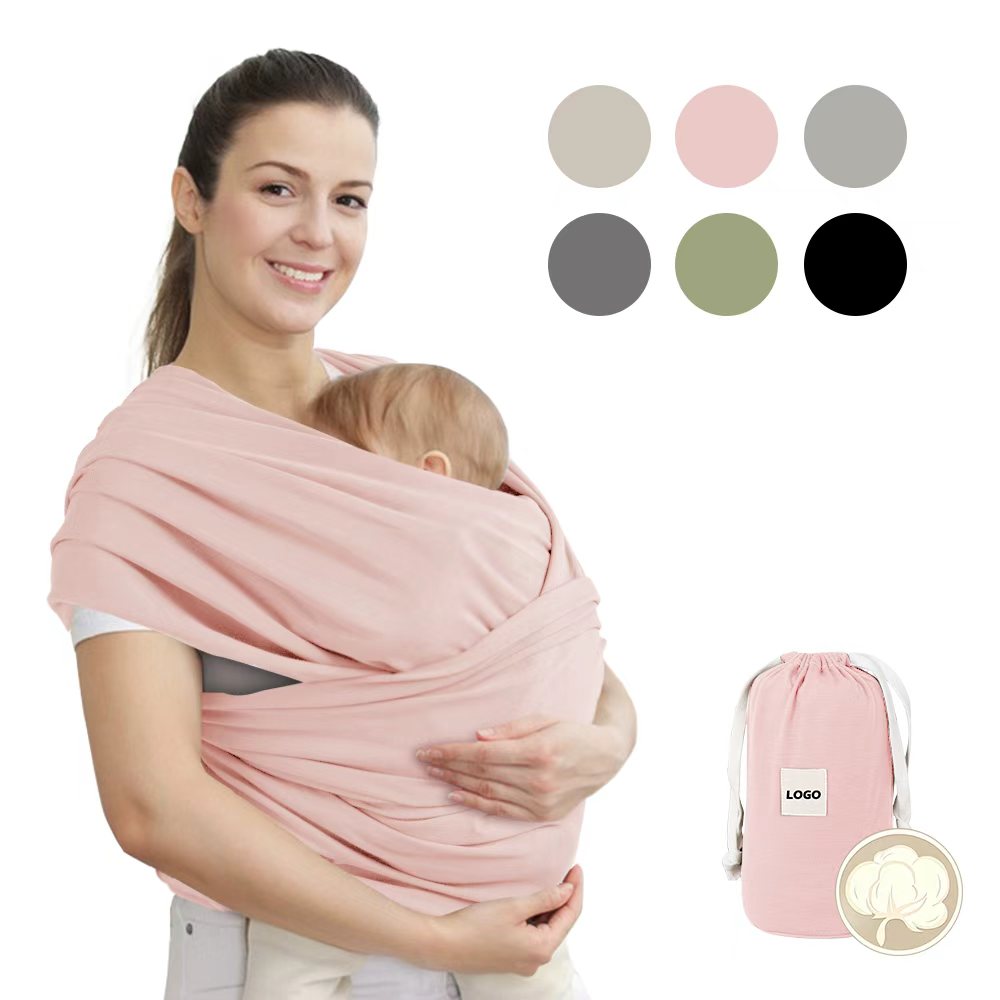
Modern parents and manufacturers increasingly demand personalized solutions that combine safety, quality, and affordability. Digital printing baby textiles represent a revolutionary approach to creating custom infant garments, carriers, wraps, and accessories without the traditional production constraints. This technology enables brands to produce vibrant, detailed designs on soft, skin-friendly fabrics while maintaining strict safety standards that protect the most vulnerable consumers. Digital printing baby textiles have transformed how businesses approach small-batch production, offering flexibility that traditional printing methods simply cannot match.

The appeal of digital printing baby textiles extends beyond aesthetics. When manufacturers choose digital printing baby textiles, they gain access to production capabilities that honor both creative vision and regulatory compliance. The process eliminates wasteful screen setup costs, reduces environmental impact, and empowers small businesses to compete alongside established manufacturers. Understanding how digital printing baby textiles work, their safety advantages, and their business applications is essential for anyone considering this technology for infant or children's product lines.
Safety Standards and Material Compatibility in Digital Printing Baby Textiles
Chemical Safety and Non-Toxic Dyes
Digital printing baby textiles demand specialized inks formulated to meet rigorous international safety standards. The inks used in digital printing baby textiles must be free from harmful chemicals such as heavy metals, phthalates, and azo dyes that pose health risks to infants. Manufacturers producing digital printing baby textiles prioritize water-based or eco-friendly ink systems that bond securely with fabric fibers without leaching or transferring onto baby skin. Professional facilities producing digital printing baby textiles invest in certified ink suppliers and conduct regular testing to ensure every batch meets or exceeds OEKO-TEX and GOTS certifications, which are globally recognized standards for safe textiles.
Fabric Selection for Infant Comfort
The foundation of safe digital printing baby textiles begins with fabric selection. Organic cotton, bamboo blends, and specialized performance fabrics designed for infants provide the ideal base for digital printing baby textiles. These materials are naturally hypoallergenic, breathable, and soft against delicate skin. When digital printing baby textiles are applied to premium base fabrics, the combination creates products that resist pilling, maintain color vibrancy through multiple wash cycles, and support the health of developing skin. The interaction between ink and fiber in digital printing baby textiles ensures that printed areas remain as soft as unprinted sections, which is critical for carriers, wraps, and clothing that contact skin for extended periods.
Production Flexibility and Low MOQ Advantages of Digital Printing Baby Textiles
Eliminating Traditional Production Barriers
Traditional screen printing requires expensive setup costs, lengthy lead times, and high minimum order quantities that exclude small manufacturers and entrepreneurs. Digital printing baby textiles eliminate these barriers entirely. The ability to produce small batches of digital printing baby textiles without significant financial investment or tooling costs democratizes the baby product industry. A startup designing a niche product line can now produce digital printing baby textiles in quantities as low as 10–50 units per design, allowing market testing and customer validation before committing to large-scale production. This flexibility transforms how brands approach product development, inventory management, and seasonal collections.
Rapid Design Iterations and Customization
Digital printing baby textiles enable designers to modify colors, patterns, and graphics with minimal production delay. Parents seeking personalized baby carriers embroidered with their child's name or unique motifs benefit from on-demand digital printing baby textiles production. Manufacturers testing multiple colorways or seasonal designs can produce small quantities of digital printing baby textiles for market feedback without waste or financial risk. The speed of digital printing baby textiles production—often completed within days rather than weeks—supports agile business models and responsive supply chains that align with consumer preferences and emerging trends.
Quality, Durability, and Visual Appeal of Digital Printing Baby Textiles
Color Vibrancy and Design Resolution
Digital printing baby textiles deliver exceptional color precision and photographic-quality detail that screen printing cannot achieve at low volumes. Complex illustrations, fine text, and gradient effects become practical options when using digital printing baby textiles technology. The high-resolution output of digital printing baby textiles ensures that intricate patterns remain sharp after washing, drying, and regular use. Color fastness in digital printing baby textiles improves continuously with advancements in ink technology and pre-treatment processes, meaning parents can rely on vibrant designs that withstand the demanding washing and handling that baby products endure. The aesthetic appeal of well-executed digital printing baby textiles enhances brand perception and creates emotional connections with consumers.
Longevity and Performance Under Use
Misconceptions about digital printing baby textiles durability have largely disappeared as technology matured. Modern digital printing baby textiles undergo rigorous testing for crocking (color rubbing), fading, and mechanical stress. Properly produced digital printing baby textiles withstand hundreds of wash cycles, chlorine exposure in pools and hot tubs, and constant friction from infant movement. Manufacturers specializing in digital printing baby textiles employ fixing processes that cure inks into fabric structure, creating bonds stronger than surface treatments. Consumers purchasing baby carriers, wraps, and garments featuring quality digital printing baby textiles can expect products that maintain integrity and appearance through years of sibling use and storage, representing genuine long-term value.
Applications and Market Advantages of Digital Printing Baby Textiles
Product Categories and Use Cases
Digital printing baby textiles serve diverse applications across the infant and children's product market. Baby carriers and wraps are ideal candidates for digital printing baby textiles, allowing parents to match carriers with personal style while maintaining maximum safety. Nursery bedding, clothing, blankets, and accessories benefit from customized patterns that reflect brand identity or personal preferences. Hospital-grade baby textiles can incorporate educational graphics or soothing designs. Event-specific items, such as baby blankets for announcements or milestone celebrations, leverage digital printing baby textiles affordability and speed. The versatility of digital printing baby textiles enables manufacturers to explore niche markets and specialized segments that traditional production methods make economically unviable.
Competitive Advantage and Brand Differentiation
Brands using digital printing baby textiles gain measurable advantages in market positioning and consumer engagement. Customization capabilities transform digital printing baby textiles into a tool for brand storytelling, allowing manufacturers to embed values, cultural references, or educational content into products. The ability to offer personalization—such as names, dates, or custom illustrations—through digital printing baby textiles creates premium perception and justifies higher price points. Sustainability messaging aligns naturally with digital printing baby textiles, as the technology generates minimal waste compared to screen printing. These competitive advantages combine to strengthen customer loyalty and support premium positioning across e-commerce and retail channels.
FAQ
Are digital printing baby textiles truly safe for sensitive baby skin?
Yes, when produced by certified manufacturers using approved, non-toxic inks and quality base fabrics. Digital printing baby textiles safety depends entirely on ink formulation and production standards. Reputable producers of digital printing baby textiles use water-based inks free from heavy metals, phthalates, and harmful azo dyes. Certifications such as OEKO-TEX Standard 100 and GOTS ensure digital printing baby textiles meet stringent international safety requirements. The inks used in digital printing baby textiles are tested for colorfastness, chemical safety, and skin compatibility. Parents and manufacturers should source digital printing baby textiles from suppliers who provide third-party testing documentation and maintain transparent supply chain practices.
What is the typical minimum order quantity for digital printing baby textiles?
Digital printing baby textiles can often be produced in quantities as low as 10–50 units per design, though some suppliers may require higher minimums depending on product complexity. The primary advantage of digital printing baby textiles is eliminating the expensive setup costs and tooling fees associated with traditional screen printing. Many manufacturers specialize in digital printing baby textiles and welcome small orders from entrepreneurs, boutique brands, and individual parents seeking personalization. Lead times for digital printing baby textiles typically range from 5–14 business days, allowing rapid production cycles. Pricing per unit for digital printing baby textiles decreases as order quantities increase, but the low-MOQ structure makes digital printing baby textiles accessible for market testing and small-scale production.
How durable are digitally printed designs on baby textiles through multiple wash cycles?
High-quality digital printing baby textiles remain vibrant and intact through hundreds of wash cycles when produced by experienced manufacturers. Durability of digital printing baby textiles depends on fabric preparation, ink quality, and curing processes. Professional facilities producing digital printing baby textiles use pre-treatment chemicals that open fabric fibers and allow deep ink penetration, creating permanent bonds that resist fading and crocking. Digital printing baby textiles engineered for durability withstand hot water, machine drying, bleach exposure, and the intensive wear associated with infant garments and carriers. Testing standards for digital printing baby textiles include color fastness after 30+ wash cycles at elevated temperatures. Parents choosing digital printing baby textiles from certified manufacturers can expect products that maintain their aesthetic appeal and performance throughout extended use and storage.
Table of Contents
- Safety Standards and Material Compatibility in Digital Printing Baby Textiles
- Production Flexibility and Low MOQ Advantages of Digital Printing Baby Textiles
- Quality, Durability, and Visual Appeal of Digital Printing Baby Textiles
- Applications and Market Advantages of Digital Printing Baby Textiles
- FAQ