
 EN
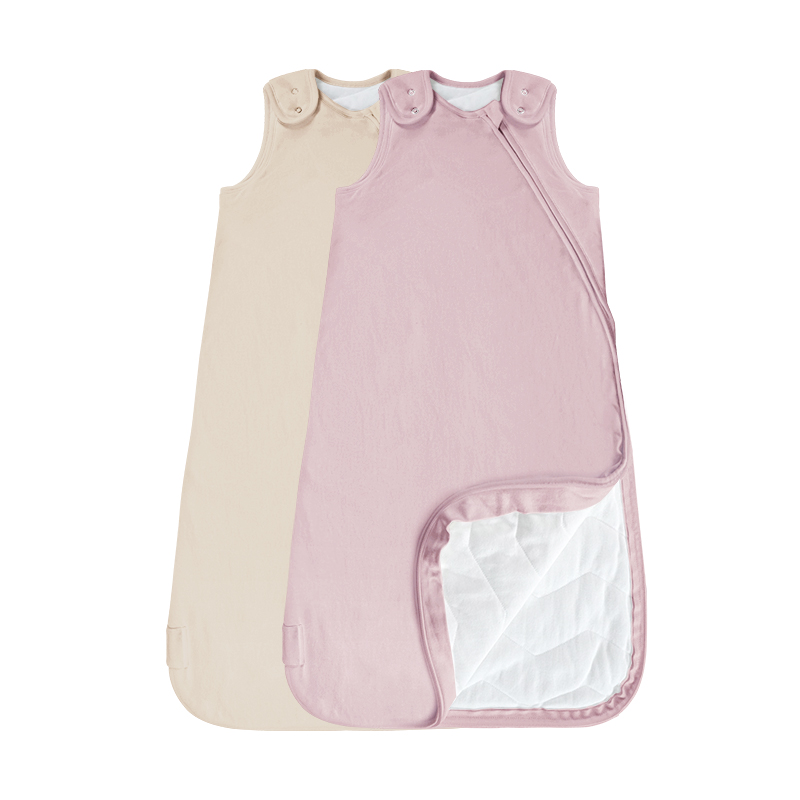
The wholesale market for baby sleep sacks has undergone dramatic transformation over the past five years, emerging as one of the fastest-growing categories in infant apparel and bedding. Retailers who recognize the commercial potential of the baby sleep sack category are experiencing significant margin expansion and increased customer loyalty. The baby sleep sack represents a fundamental shift in how parents approach infant sleep safety, making it an essential inventory category for any retailer focused on modern parenting solutions. Understanding the current baby sleep sack wholesale landscape is critical for buyers aiming to maximize profitability and meet evolving consumer expectations.
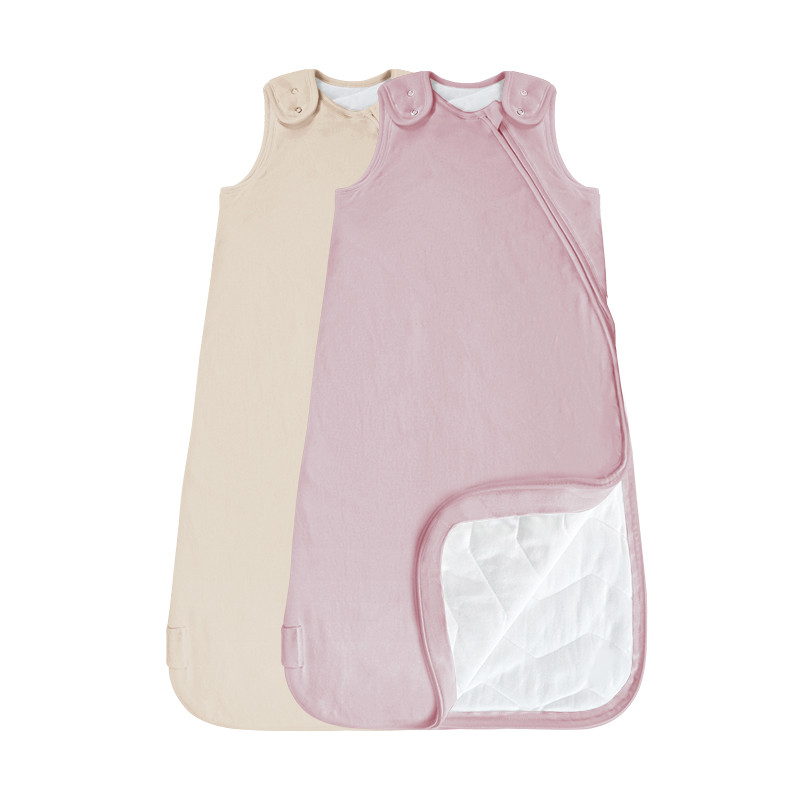
Market research indicates that the baby sleep sack category is outpacing traditional infant bedding by a significant margin, driven by safety recommendations from pediatric organizations and growing parental awareness of sleep-related risks. Wholesale retailers stocking the baby sleep sack are capturing a larger share of the premium infant care market, where consumers prioritize safety, quality, and durability over price alone. This article explores the key wholesale baby sleep sack trends reshaping retail strategy, consumer preferences, and supply chain dynamics that retailers must understand to remain competitive.
The Shift Toward Sleep Safety and Regulatory Alignment
Safety Standards Driving Baby Sleep Sack Demand
The rise of the baby sleep sack wholesale market directly correlates with increased pediatric emphasis on safe sleep environments. Major health organizations now recommend the baby sleep sack as a preferred alternative to traditional blankets and loose bedding, which pose suffocation and entanglement risks. Retailers who position the baby sleep sack prominently in their catalogs align with authoritative health guidance, which builds consumer trust and reduces purchase hesitation. This regulatory and health-driven demand creates consistent, predictable sales velocity for the baby sleep sack category, making it an attractive wholesale investment for forward-thinking retailers.
Certification and Quality Assurance as Competitive Differentiators
Modern consumers expect the baby sleep sack to meet rigorous safety certifications, including CPSC compliance, GOTS organic standards, and third-party lab testing. Wholesale suppliers who emphasize transparent quality documentation and compliance certifications for their baby sleep sack products command premium pricing and attract higher-volume retail partnerships. The baby sleep sack buyers within retail organizations increasingly require proof of safety testing before committing to inventory, making certification infrastructure a critical competitive advantage. Retailers who can confidently communicate the safety certifications behind their baby sleep sack offerings reduce consumer risk perception and accelerate conversion rates.
Material Innovation and Consumer Preference Evolution
Natural Fiber Dominance in the Baby Sleep Sack Category
Wholesale demand for the baby sleep sack has shifted dramatically toward natural materials, with organic cotton and bamboo-based fabrics now accounting for the majority of volume growth. Parents increasingly prefer the baby sleep sack constructed from breathable, hypoallergenic materials that reduce the risk of heat stress and skin irritation. Retailers stocking conventional synthetic baby sleep sack options report slower turnover rates compared to natural fiber alternatives, indicating a clear consumer preference shift. The baby sleep sack market leader positioning emphasizes material transparency, fiber sourcing, and dermatological safety, which resonates powerfully with modern parenting demographics.
Temperature Regulation and Seasonal Variation
The baby sleep sack category has expanded to include season-specific options with varying TOG (thermal overall grade) ratings, allowing retailers to optimize inventory for regional climate differences. Wholesale suppliers now offer lightweight baby sleep sack designs for summer months and insulated versions for winter use, creating opportunities for retailers to increase SKU depth without excessive inventory risk. The baby sleep sack with adjustable TOG ratings enables parents to use the same product year-round, increasing product value perception and customer lifetime value. Retailers who educate consumers on TOG ratings and seasonal baby sleep sack selection experience higher purchase frequency and stronger customer retention metrics.
Market Segmentation and Growth Channel Opportunities
Premium Positioning and Direct-to-Consumer Channel Expansion
Wholesale baby sleep sack suppliers are increasingly launching direct digital channels while simultaneously expanding wholesale distribution, creating competitive dynamics that retailers must navigate strategically. The baby sleep sack category attracts affluent parenting demographics willing to invest in premium infant products, creating margin opportunities that justify higher wholesale costs. Retailers who specialize in premium baby sleep sack offerings versus competing on price alone report significantly stronger gross margins and reduced price sensitivity. The baby sleep sack represents a category where consumers prioritize quality and safety over budget constraints, fundamentally different from commodity baby product categories.
Age-Specific Segmentation and Cross-Selling Potential
The baby sleep sack market has evolved to include distinct product lines targeting newborns, infants, and toddlers, enabling retailers to create comprehensive sleep solution ecosystems. Wholesale suppliers now offer baby sleep sack variants with sleep transition features, two-way zippers, and convertible designs that extend usable lifespan across multiple developmental stages. Retailers who position the baby sleep sack as part of a complete infant care strategy increase average transaction value and customer engagement across related categories. The baby sleep sack category naturally connects to other premium infant products including swaddles, bedding accessories, and safety monitors, creating cross-selling opportunities that enhance profitability.
Digital Commerce and Supply Chain Integration
E-commerce Acceleration and Omnichannel Retail Strategy
Digital retail channels have become primary growth engines for the baby sleep sack category, with online purchases now accounting for approximately sixty percent of wholesale-distributed baby sleep sack units. Retailers developing strong e-commerce experiences for the baby sleep sack benefit from detailed product imagery, safety certification documentation, and customer review systems that address common parental concerns. The baby sleep sack online search behavior indicates high purchase intent and strong willingness to compare specifications, creating opportunities for retailers who invest in detailed product content and comparison tools. Retailers integrating baby sleep sack inventory across online and physical channels optimize fulfillment efficiency and create seamless customer experiences that drive repeat purchases.
Supply Chain Resilience and Inventory Optimization
Wholesale baby sleep sack suppliers have invested heavily in supply chain diversification and inventory forecasting following global supply disruptions that affected infant product availability. The baby sleep sack category now benefits from more stable production timelines and faster fulfillment cycles, reducing inventory carrying costs for retail partners. Retailers who maintain strategic baby sleep sack safety stock experience significant competitive advantages during peak demand periods, particularly around gift-giving seasons. The baby sleep sack supply chain evolution enables smaller retailers to access quality products previously available only to large institutional buyers, democratizing access to premium wholesale baby sleep sack inventory.
FAQ
What factors are driving wholesale demand for the baby sleep sack?
Wholesale baby sleep sack demand is primarily driven by pediatric safety recommendations, increased parental awareness of sleep-related risks, and regulatory emphasis on safe sleep environments. The baby sleep sack offers a practical, evidence-based alternative to traditional blankets and loose bedding, making it an essential category for retailers targeting safety-conscious consumers. Additionally, material innovation, certification standards, and product quality improvements have elevated the baby sleep sack from a niche product to a mainstream parenting staple that retailers expect to stock.
How should retailers approach baby sleep sack inventory strategy?
Retailers should develop segmented baby sleep sack inventory strategies that account for seasonal variation, age-based product preferences, and material type differentiation. The baby sleep sack category benefits from deeper SKU variety compared to traditional bedding, allowing retailers to serve diverse consumer preferences without excessive overstock risk. Implementing inventory forecasting tools and monitoring baby sleep sack sales velocity by product segment enables retailers to optimize stock levels and maximize turnover while maintaining product availability during peak demand.
What product features should retailers prioritize in their baby sleep sack selection?
Retailers should prioritize baby sleep sack products offering transparent safety certifications, natural fiber materials, adjustable temperature ratings, and intuitive design features like two-way zippers and convertible sizing. The baby sleep sack that combines these elements commands premium pricing and attracts higher-quality customer segments with strong lifetime value potential. Educational content about baby sleep sack TOG ratings, material benefits, and age-appropriate sizing significantly improves conversion rates and reduces return likelihood in the retail environment.