
 EN
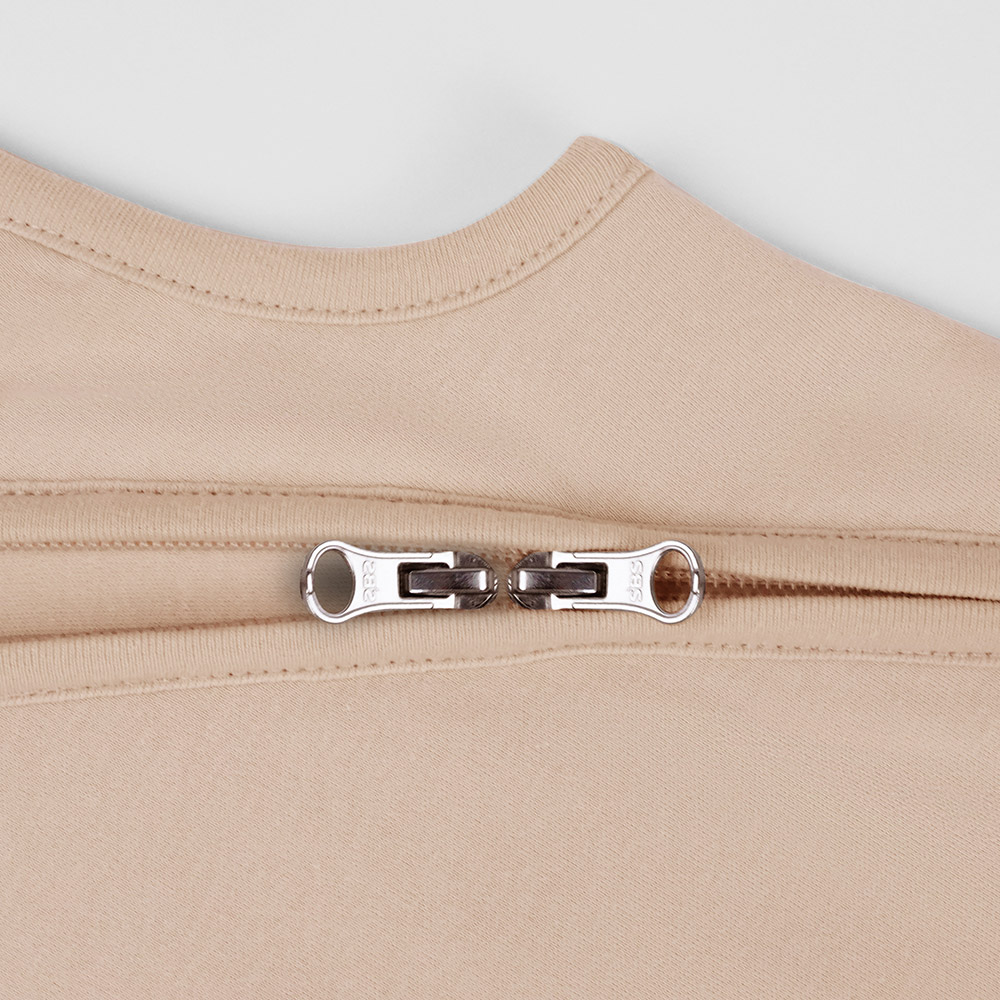
Transitional sleep sacks represent a critical innovation in infant sleep technology, offering brands a thoughtful solution to one of parenting's most challenging milestones: the shift from swaddling to independent sleeping. Many caregivers struggle with the uncertainty of when and how to move away from traditional swaddles, and transitional sleep sacks address this gap directly. These specialized products bridge the developmental space between the security of swaddling and the freedom of standard sleep bags, allowing infants to experience gradual independence while maintaining the comfort and safety benefits they've grown accustomed to during their early months.
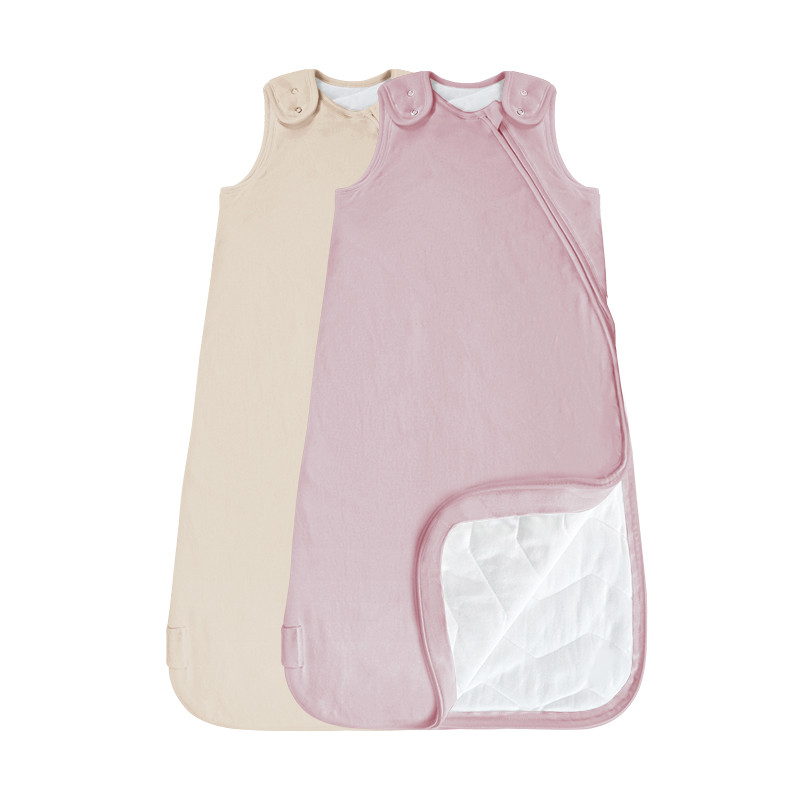
For brands entering the infant sleep market, transitional sleep sacks deliver significant competitive advantage. The global infant sleep segment continues to grow as parents increasingly prioritize sleep quality and safety standards. Transitional sleep sacks meet this demand by combining evidence-based design with practical functionality, positioning your brand as an innovative, parent-focused manufacturer. Understanding the mechanics, market positioning, and consumer benefits of transitional sleep sacks enables you to create products that resonate with modern caregivers while building brand loyalty in this expanding category.
Understanding Transitional Sleep Sacks and Their Core Function
What Sets Transitional Sleep Sacks Apart
Transitional sleep sacks differ fundamentally from both traditional swaddles and full-sized sleep bags in their structural design and developmental purpose. While swaddles wrap the arms tightly to recreate the womb environment, transitional sleep sacks incorporate arm holes or arm openings that allow limited arm movement while still providing torso warmth and security. This graduated approach to freedom helps infants adapt psychologically and physically to sleeping without the restrictive swaddle. Transitional sleep sacks typically feature adjustable closures, convertible arm configurations, or progressive sizing that grows with the infant through the critical 4 to 9-month transition period. Brands that develop transitional sleep sacks recognize that this intermediate stage prevents the abrupt shock of complete swaddle removal, reducing sleep regression and parent frustration during this vulnerable developmental window.
How Transitional Sleep Sacks Support Healthy Sleep Development
The developmental neuroscience behind transitional sleep sacks centers on gradual sensory adaptation and motor skill development. Infants aged 3 to 6 months begin rolling over, requiring unrestricted arm movement for safety during sleep, yet they still benefit from the calming compression that swaddling provides. Transitional sleep sacks deliver this dual benefit by allowing arms to move freely while maintaining gentle torso support. This staged approach aligns with pediatric sleep guidelines and reduces the risk of positional asphyxia, which is critical for brand credibility and consumer trust. Additionally, transitional sleep sacks accommodate the infant's growing need for self-soothing techniques like thumb sucking, which requires arm mobility. By offering this middle ground, transitional sleep sacks support natural sleep development while parents navigate one of the most anxiety-inducing transitions in early childhood.
Market Demand and Brand Positioning Through Transitional Sleep Sacks
Why Brands Are Investing in Transitional Sleep Sacks
The infant sleep market has undergone significant transformation over the past decade, driven by heightened safety awareness, parental anxiety about sleep quality, and the professionalization of parenting guidance. Transitional sleep sacks address a specific, underserved market gap where parents seek products that prevent sleep regression during the critical swaddle-to-freedom transition. Brands that recognize this demand position themselves as solution-oriented manufacturers rather than generic sleep gear suppliers. Market research consistently shows that parents are willing to invest in specialized products that ease developmental transitions, and transitional sleep sacks command premium pricing due to their targeted functionality. By developing high-quality transitional sleep sacks, brands differentiate themselves in a crowded infant sleep category and establish authority in understanding infant sleep science. This positioning strengthens customer loyalty, increases repeat purchases, and creates natural opportunities for upselling across your sleep product line.
Consumer Pain Points That Transitional Sleep Sacks Solve
The transition from swaddling creates profound anxiety for many parents and caregivers, manifesting as sleep regression, increased nighttime wakings, and reduced daytime nap quality. Parents often lack clear guidance on timing and methodology for this transition, leading to either premature abandonment of swaddles (causing fear and poor sleep) or prolonged swaddling past safe developmental windows. Transitional sleep sacks address this uncertainty by providing a clear, branded solution that parents recognize as specifically designed for this exact challenge. Additionally, many traditional sleep bags feel too loose or overwhelming for infants accustomed to swaddles, creating resistance to products that should improve sleep. Transitional sleep sacks solve this by offering graduated compression, convertible features, and sizing that feels purposefully engineered for the transition stage rather than generic. Brands that communicate these benefits clearly—through product education, packaging messaging, and marketing content—establish themselves as expert partners in infant sleep management, strengthening emotional connection with their customer base.
Product Design Principles and Market Opportunities in Transitional Sleep Sacks
Key Features That Define Premium Transitional Sleep Sacks
Successful transitional sleep sacks incorporate several design elements that distinguish them in the marketplace and deliver functional value. Two-way zippers enable quick diaper changes and flexible arm positioning, addressing practical parent concerns while reducing product handling stress. Temperature regulation through appropriate fabric weight and breathable materials ensures safety across seasons and climates, a critical consideration that parents explicitly research. Adjustable shoulder closures or convertible arm sleeves allow customization as infants progress, extending product utility and perceived value. Size range spanning from 6 months through 12 or 18 months maximizes the product lifecycle and reduces the number of purchases required, appealing to budget-conscious families while increasing brand retention. Quality stitching, soft natural fibers, and hypoallergenic certifications signal premium positioning and address parent concerns about fabric safety against sensitive infant skin. Brands that embed these features strategically position transitional sleep sacks as investment purchases rather than disposable items, supporting higher margins and stronger profit performance.
Differentiation Strategies for Transitional Sleep Sacks in Competitive Markets
The infant sleep product category increasingly attracts major manufacturers and specialized startups, intensifying competition for shelf space and consumer attention. Transitional sleep sacks offer brands multiple differentiation pathways that extend beyond simple product features. Design aesthetics—including organic pattern options, gender-neutral colorways, and fashion-forward styling—appeal to modern parents who view children's products as lifestyle statements. Sustainability positioning, such as organic cotton transitional sleep sacks or environmentally responsible manufacturing, resonates with eco-conscious family demographics. Transparent safety certifications and clinical testing data for transitional sleep sacks build credibility with informed consumers and pediatric professionals who recommend products to families. Educational content marketing—blog articles, video guides, and social media content explaining why transitional sleep sacks matter for infant development—establishes brand authority and drives organic traffic. Brands that combine premium transitional sleep sacks with comprehensive parental guidance and community engagement create defensible competitive advantages that sustain profitability across product cycles.
FAQ
At what age should parents introduce transitional sleep sacks?
Most pediatric experts recommend introducing transitional sleep sacks between 3 and 6 months of age, when infants begin developing motor skills that require arm mobility but still benefit from torso support and security. The ideal timing often coincides with the first rolling milestone, when swaddling becomes a safety concern. Transitional sleep sacks bridge this gap perfectly, allowing gradual adaptation rather than abrupt swaddle cessation that can trigger sleep regression.
How do transitional sleep sacks differ from standard sleep bags?
Transitional sleep sacks feature arm holes, convertible closures, or adjustable sleeves that provide intermediate freedom between full swaddling and unrestricted sleep bags. Standard sleep bags offer complete arm and leg freedom but lack the graduated compression and security that transitional sleep sacks provide. Transitional sleep sacks are specifically engineered for the 4 to 12-month transition period, whereas standard sleep bags suit older infants who have fully adapted to independent sleeping positions.
What materials and safety features should brands prioritize in transitional sleep sacks?
Quality transitional sleep sacks should use breathable natural fabrics like organic cotton, meet relevant safety standards for flammability and chemical exposure, and feature secure closures that prevent entanglement risks. Two-way zippers, adjustable sizing, and hypoallergenic certifications are critical features that appeal to safety-conscious parents. Brands should ensure transitional sleep sacks include clear sizing guidance and temperature ratings, helping parents select appropriate products for their infant's age, size, and seasonal climate.